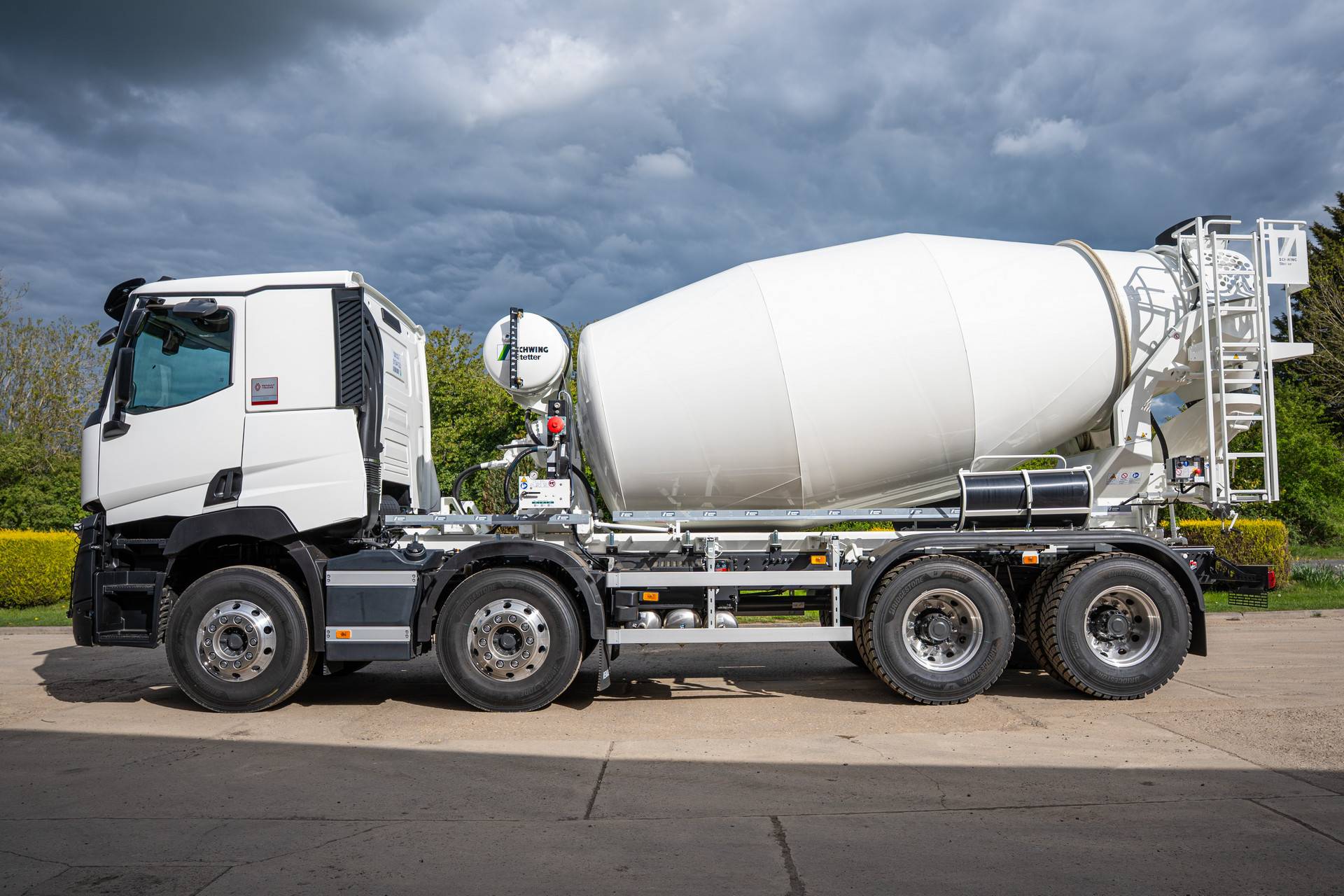
Renault C 460 8x4 Chassis Cab Schwing-Stetter · 9 m³ Concrete Mixer
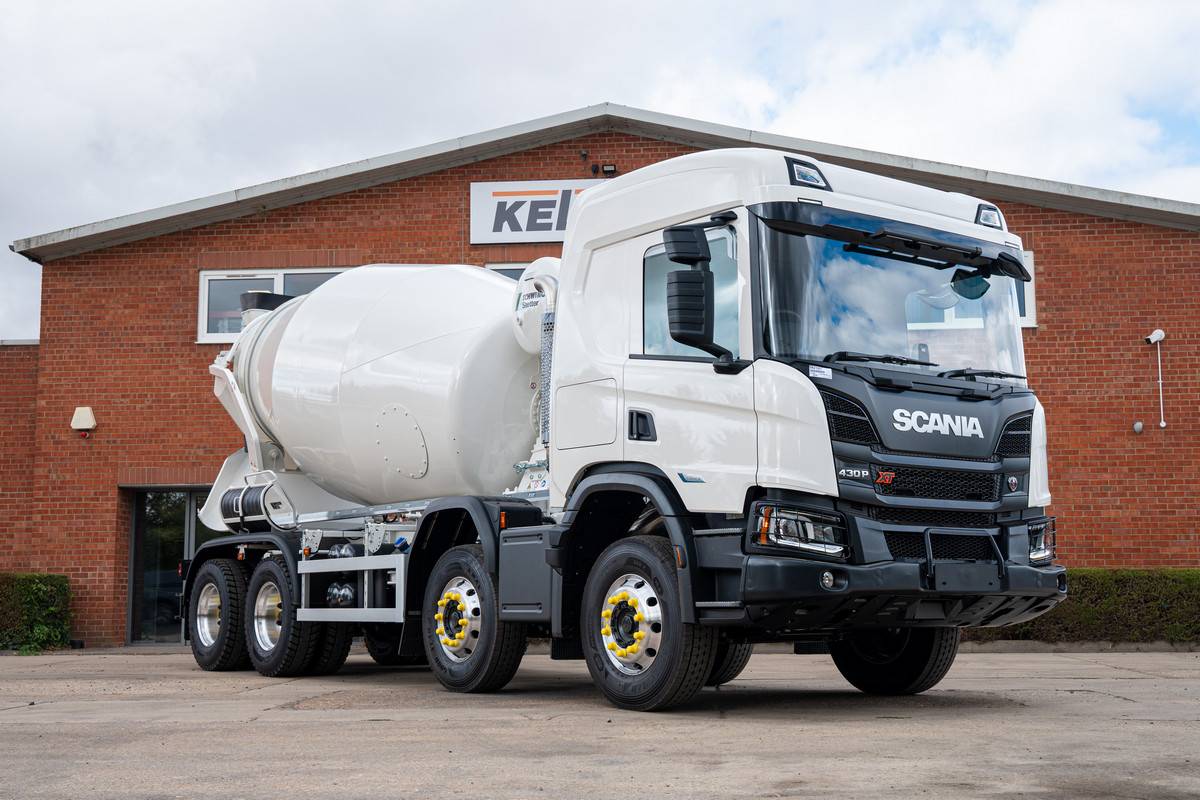
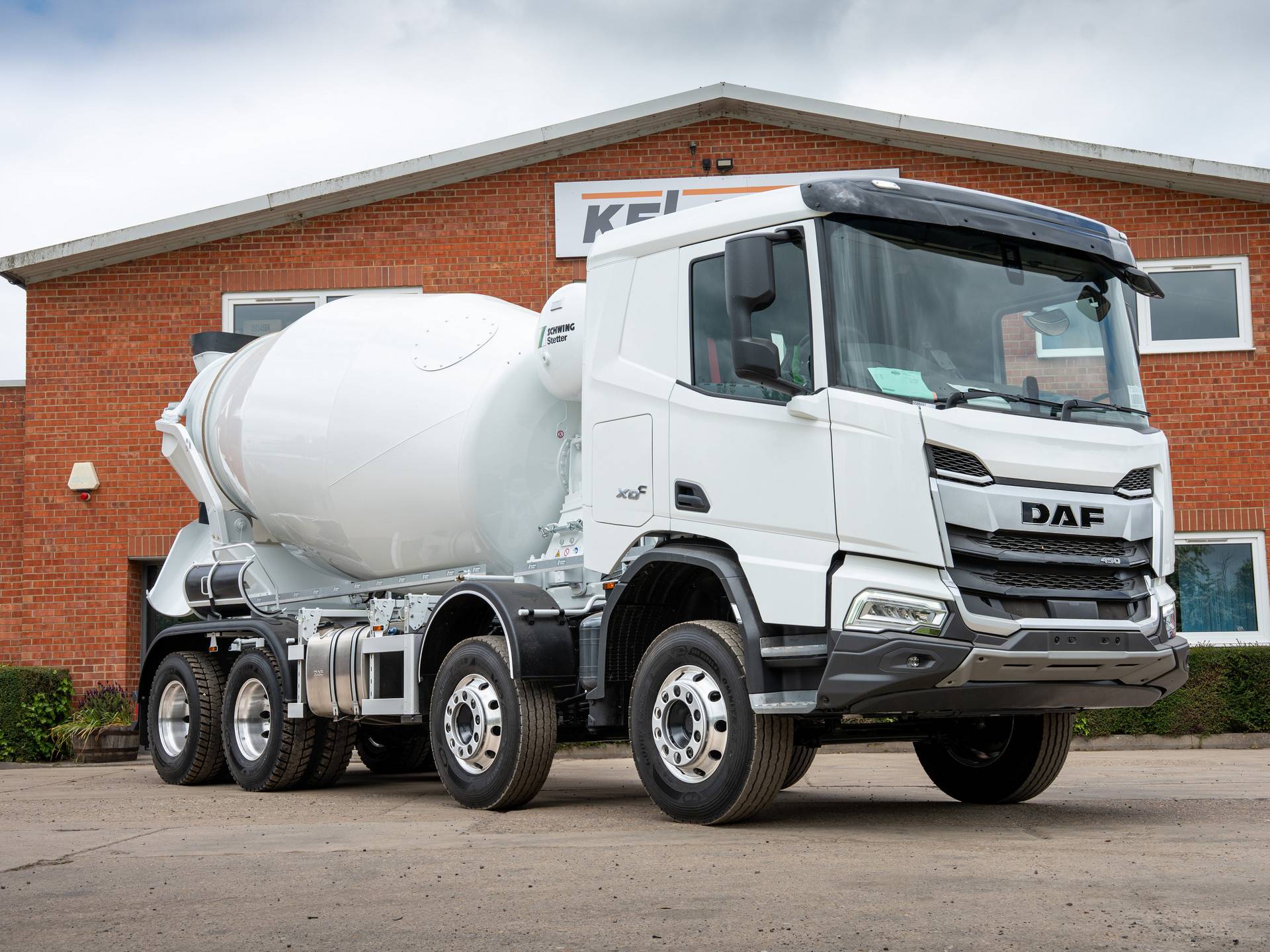
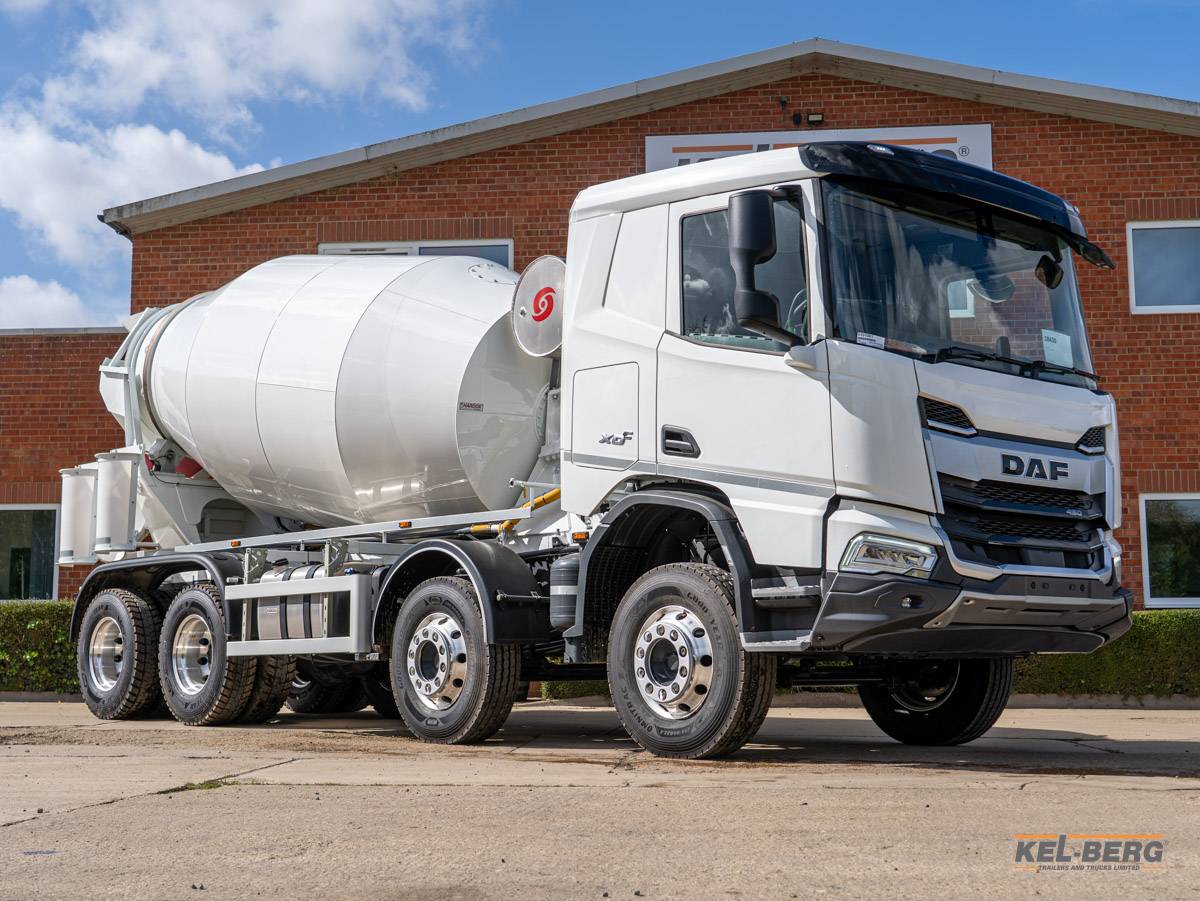
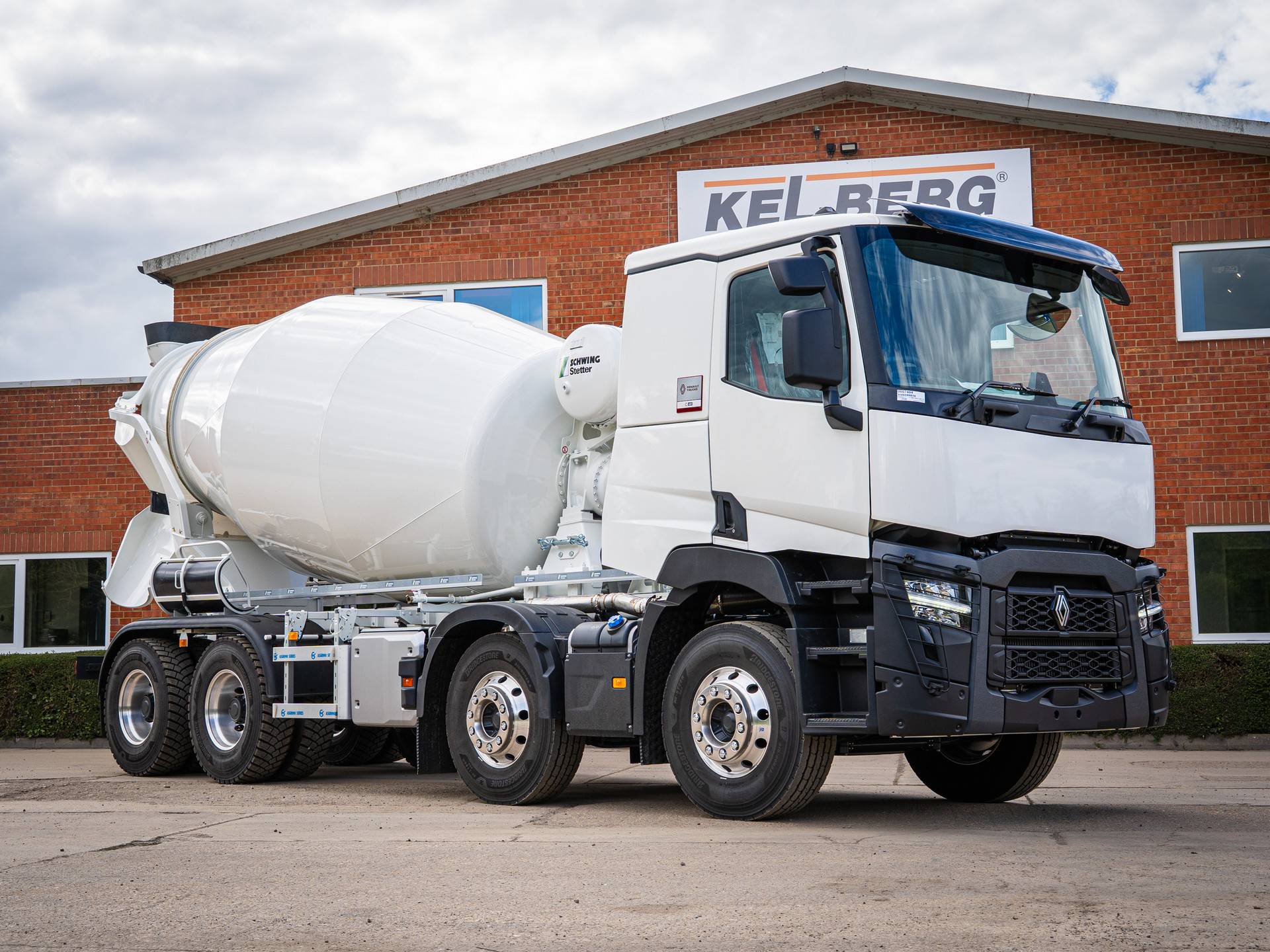
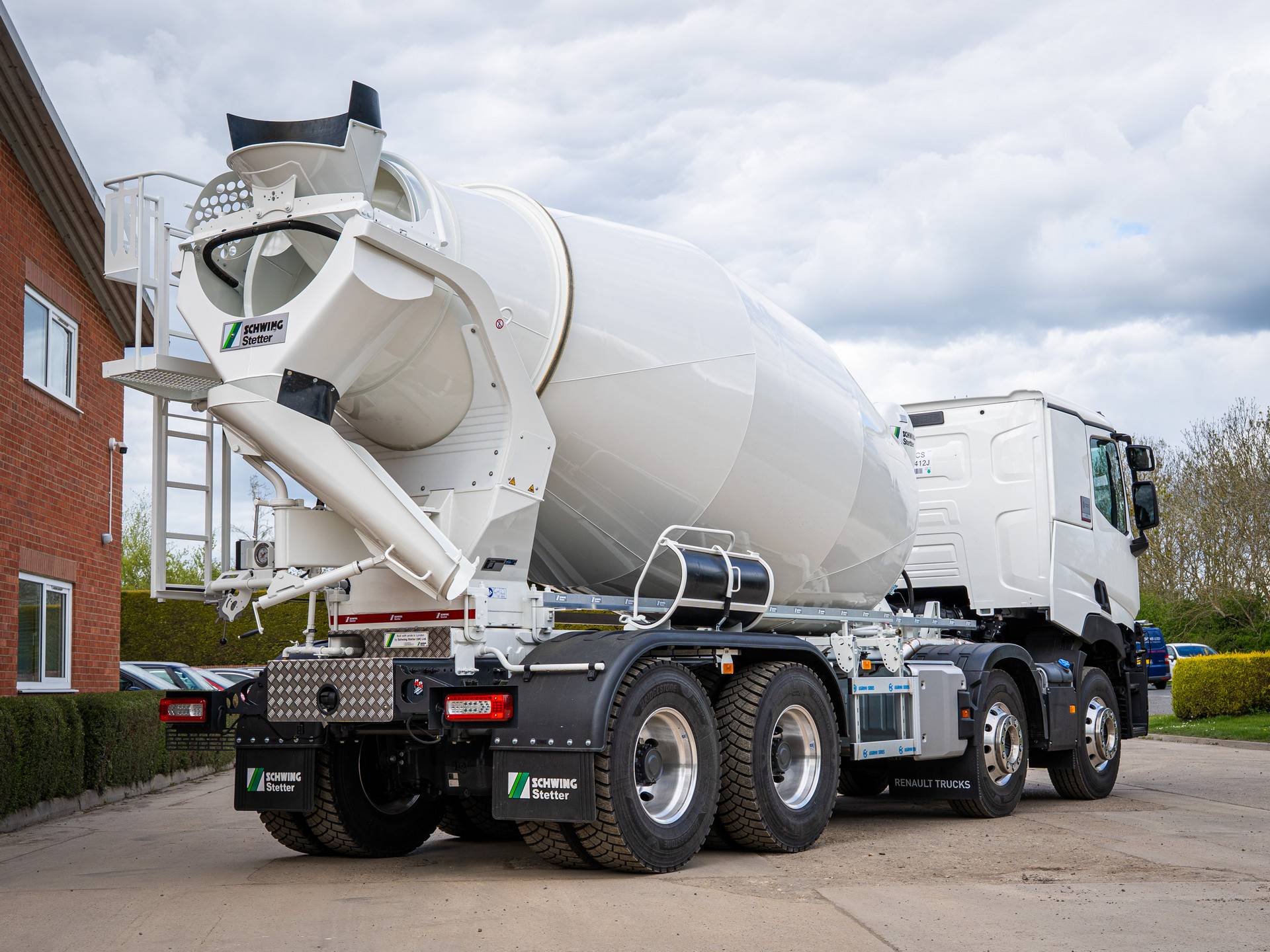
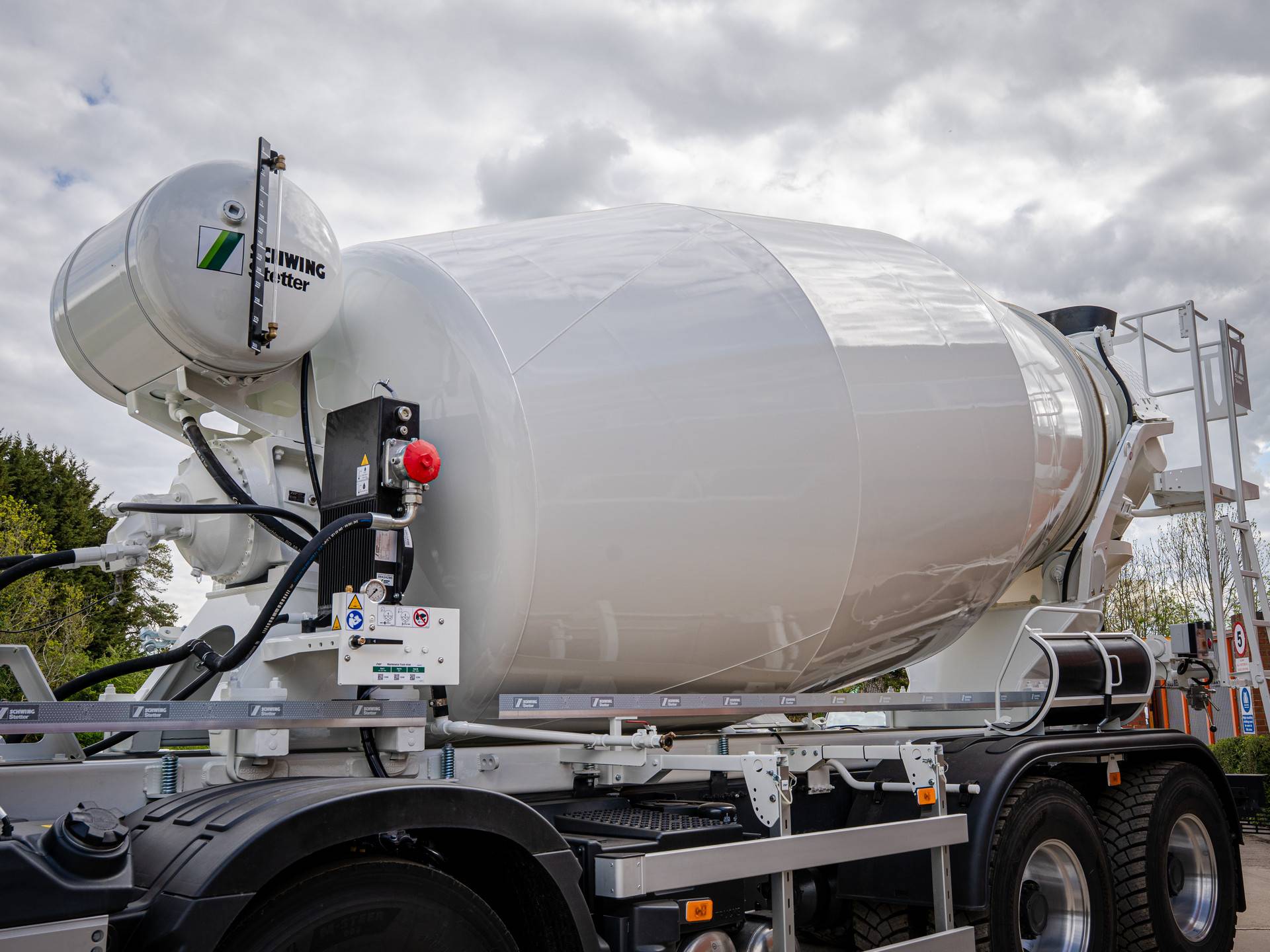
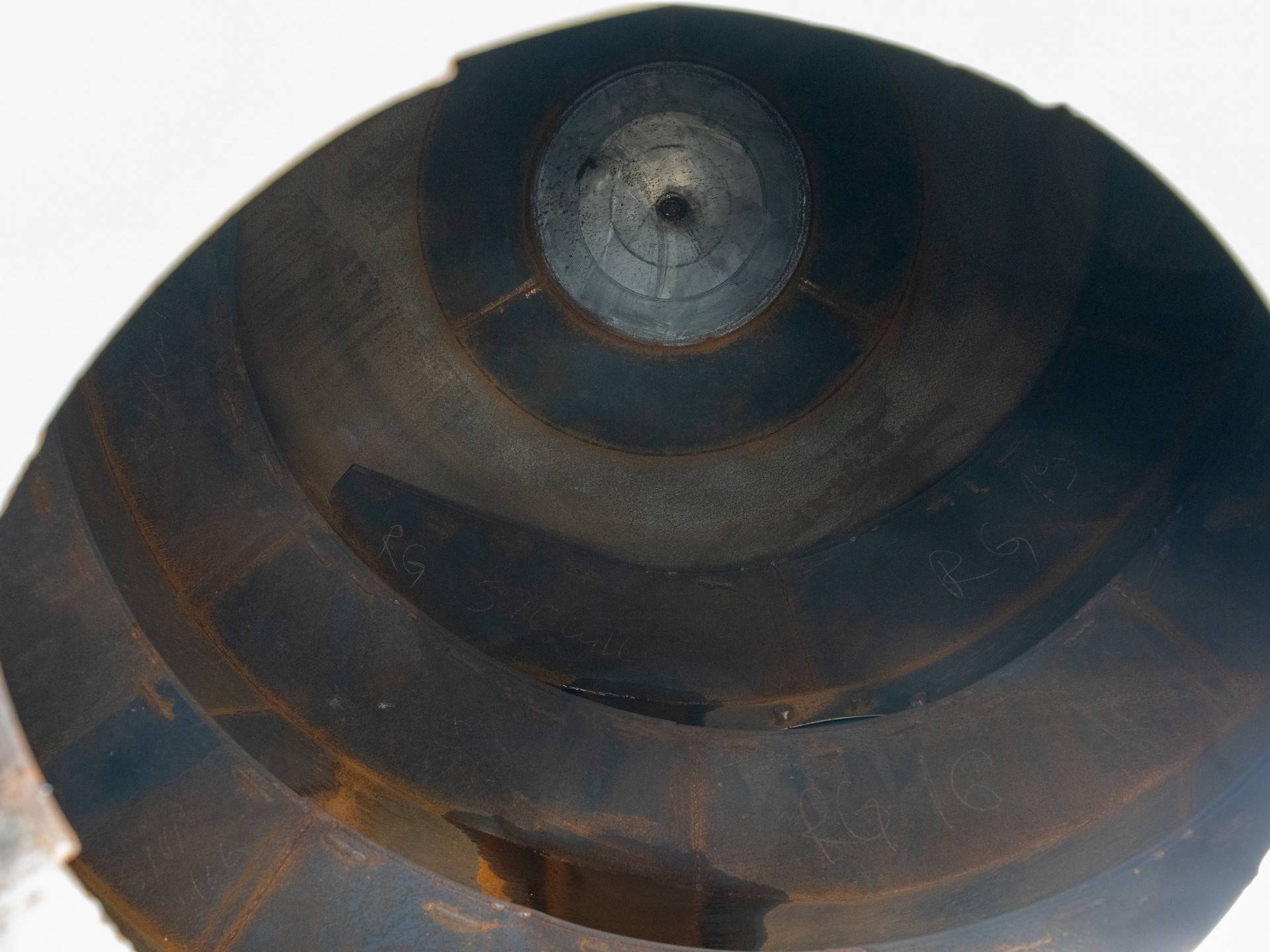
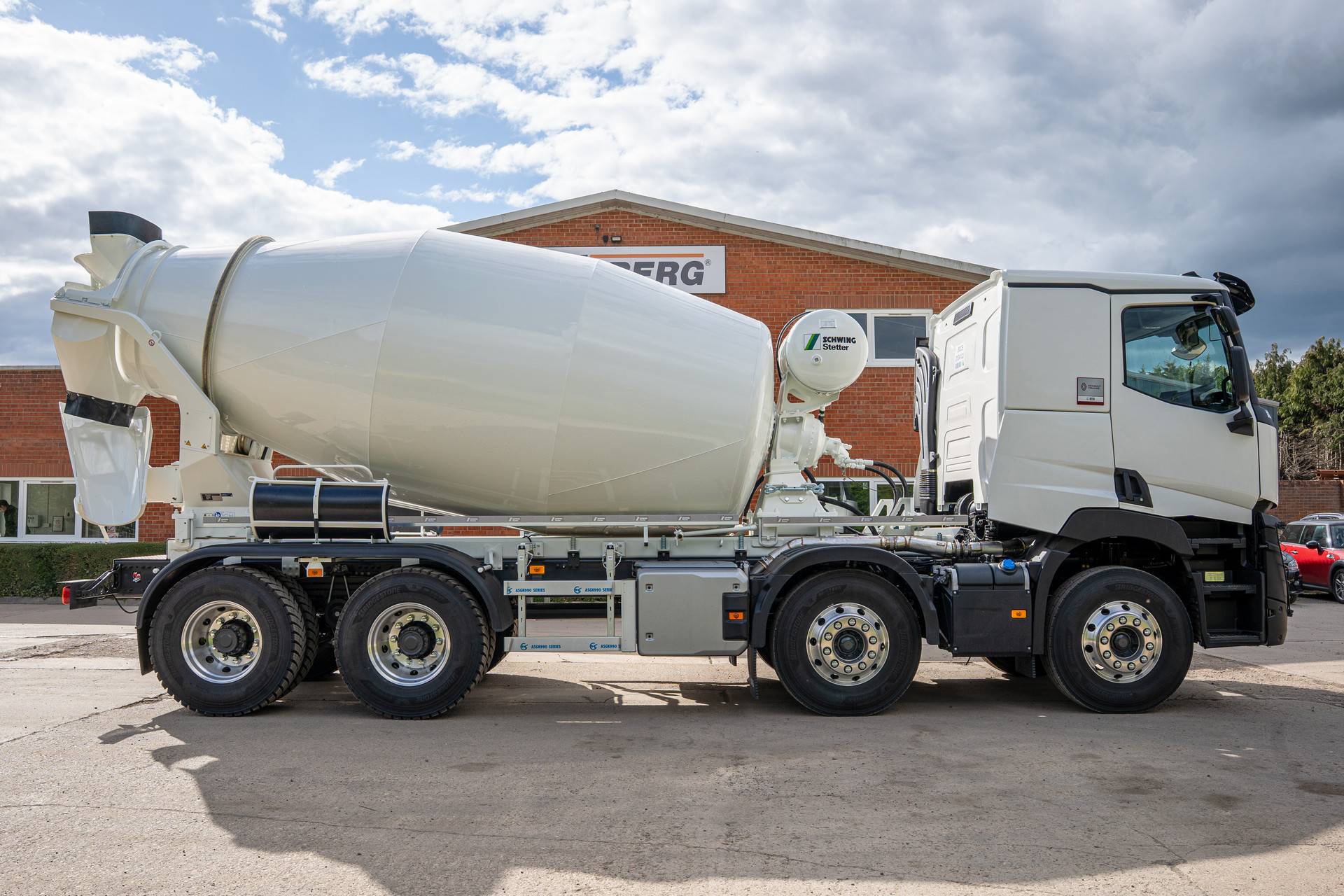
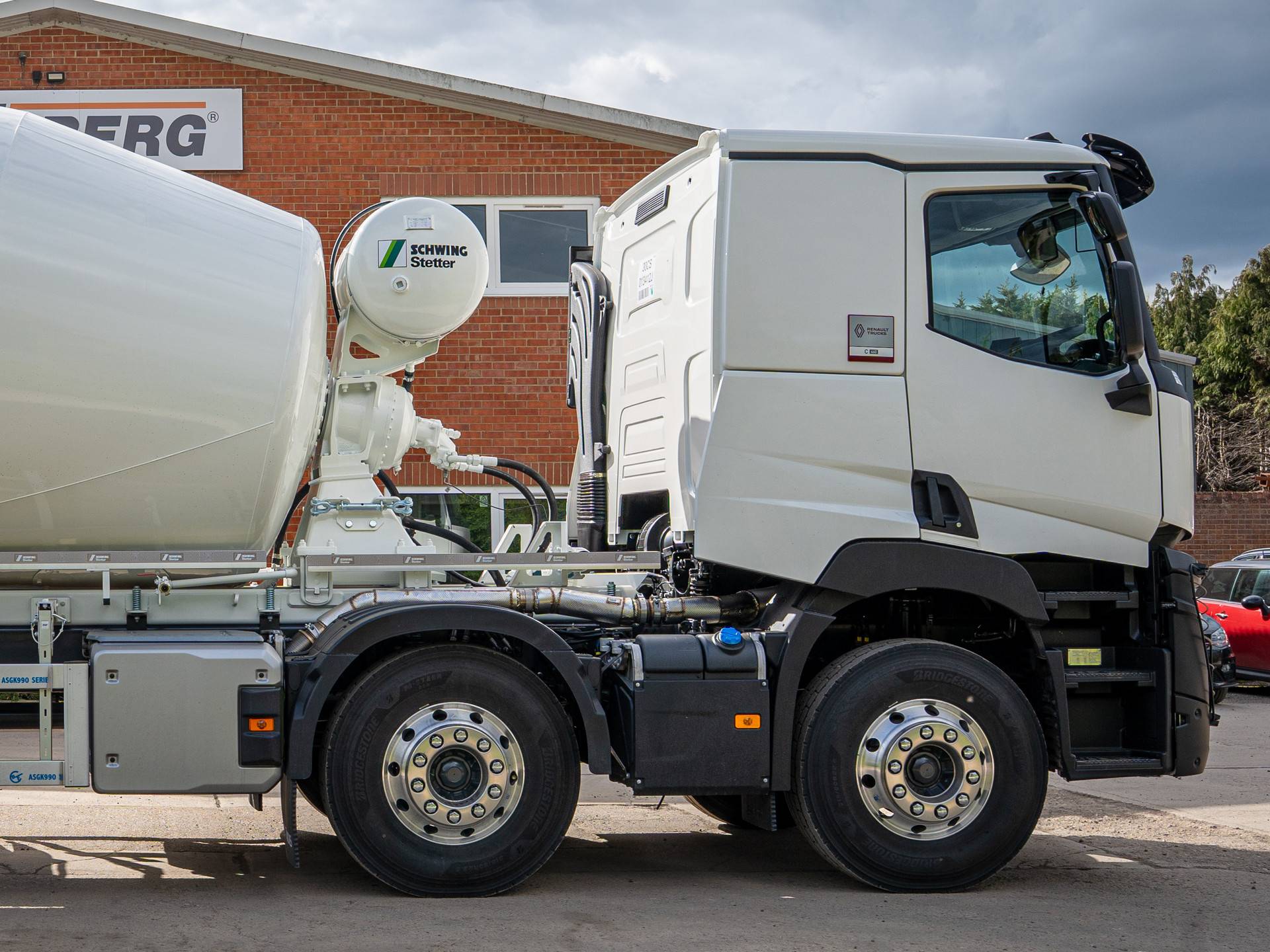
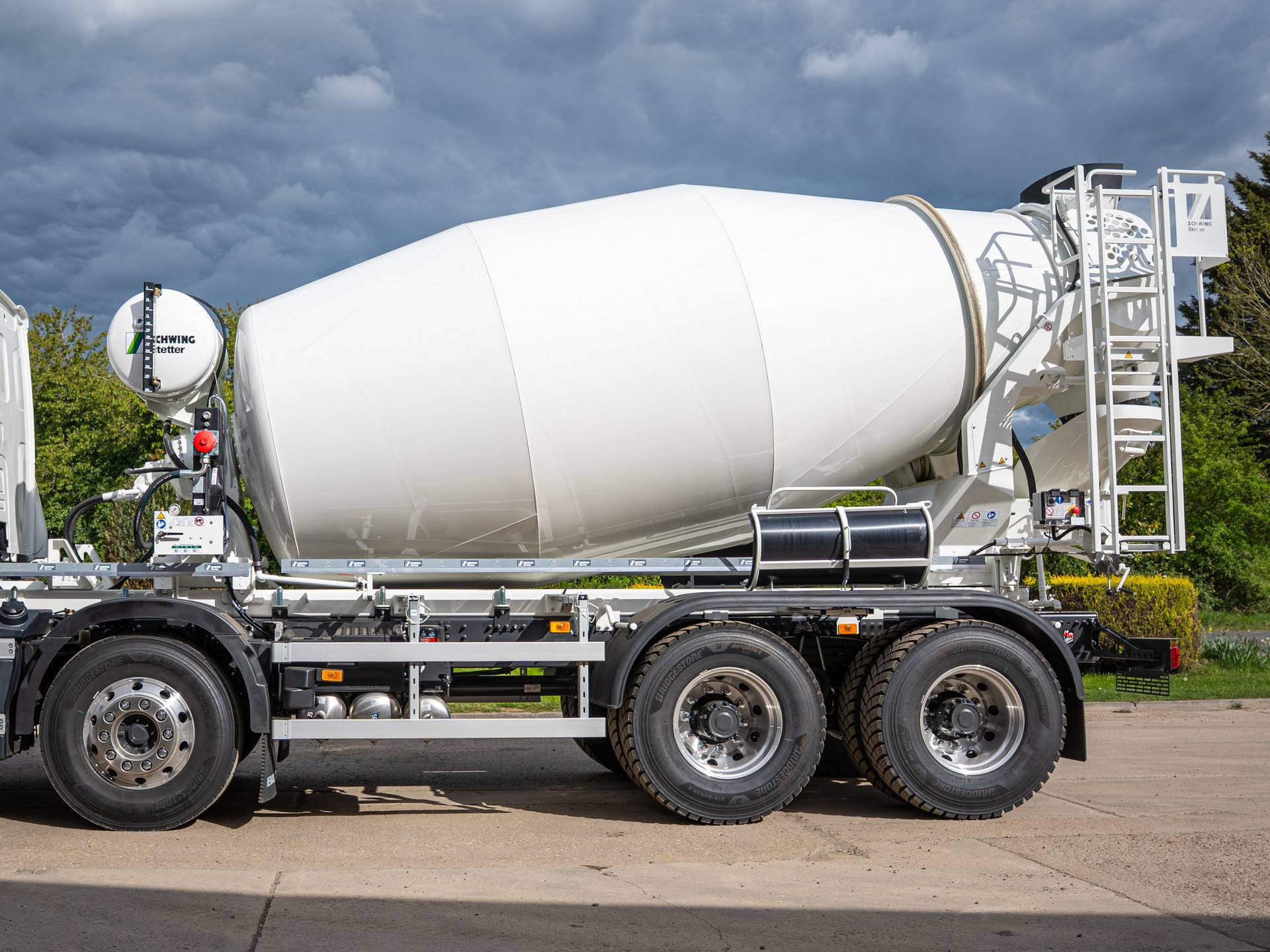
A new Renault C 460 8x4 sleeper cab, fitted with a 9 m³ Schwing-Stetter concrete mixer. The drum is built from 500 and 550 HD wear-resistant steel to resist wear from the concrete it carries.
- Tare Weight
- 12,920 kg*
- Est. Payload
- 19,080 kg**
- GVW
- 32,000 kg
- Condition
- New
*This is an indicative tare weight. Actual tare weight may vary.
**This is an indicative payload. Actual payload may vary. This is based on the indicative tare weight.
Specification
Renault Chassis Cab
Schwing-Stetter Concrete Mixer
Technical Detail
Chassis
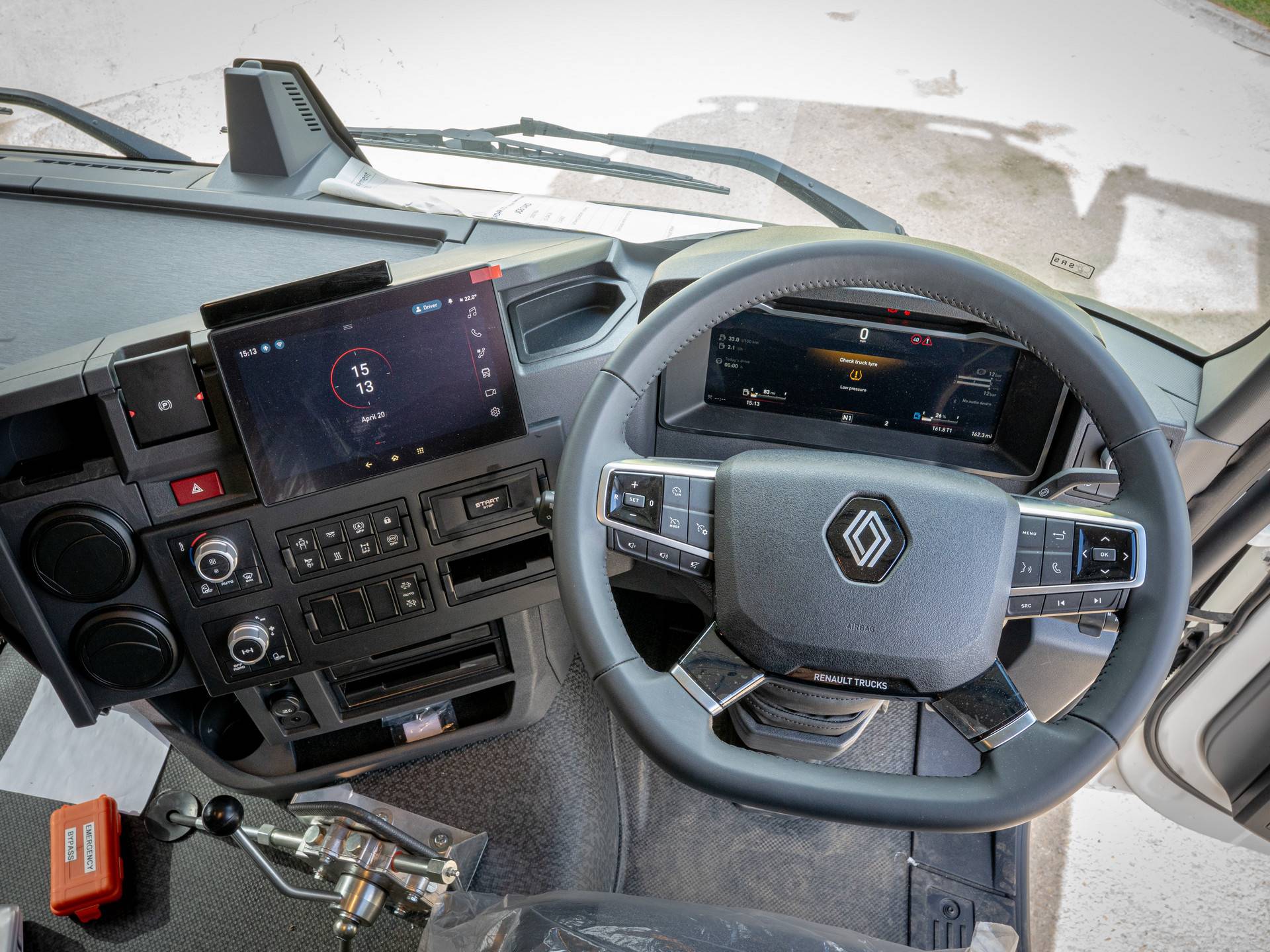
The Renault C Night & Day sleeper cab is all steel, electro-zinc plated and cataphoretic painted, trimmed in dark finish with cloth seats and rubber floor mats. The driver’s COMFORT seat has adjustable damping, heating, adjustable lumbar and side support, two armrests and a quick-drop function with height memory. The Performance steering wheel carries the cruise controls and adjusts for height and depth.
The driving area is well specced. The COMPACT dashboard carries a 12-inch HD colour display with DAB radio, and the cab has two loudspeakers and two tweeters. The wipers and lights work automatically from a rain sensor, and electronic air conditioning keeps the cab comfortable, with a 2 kW stand-alone heater warming it through three vents.
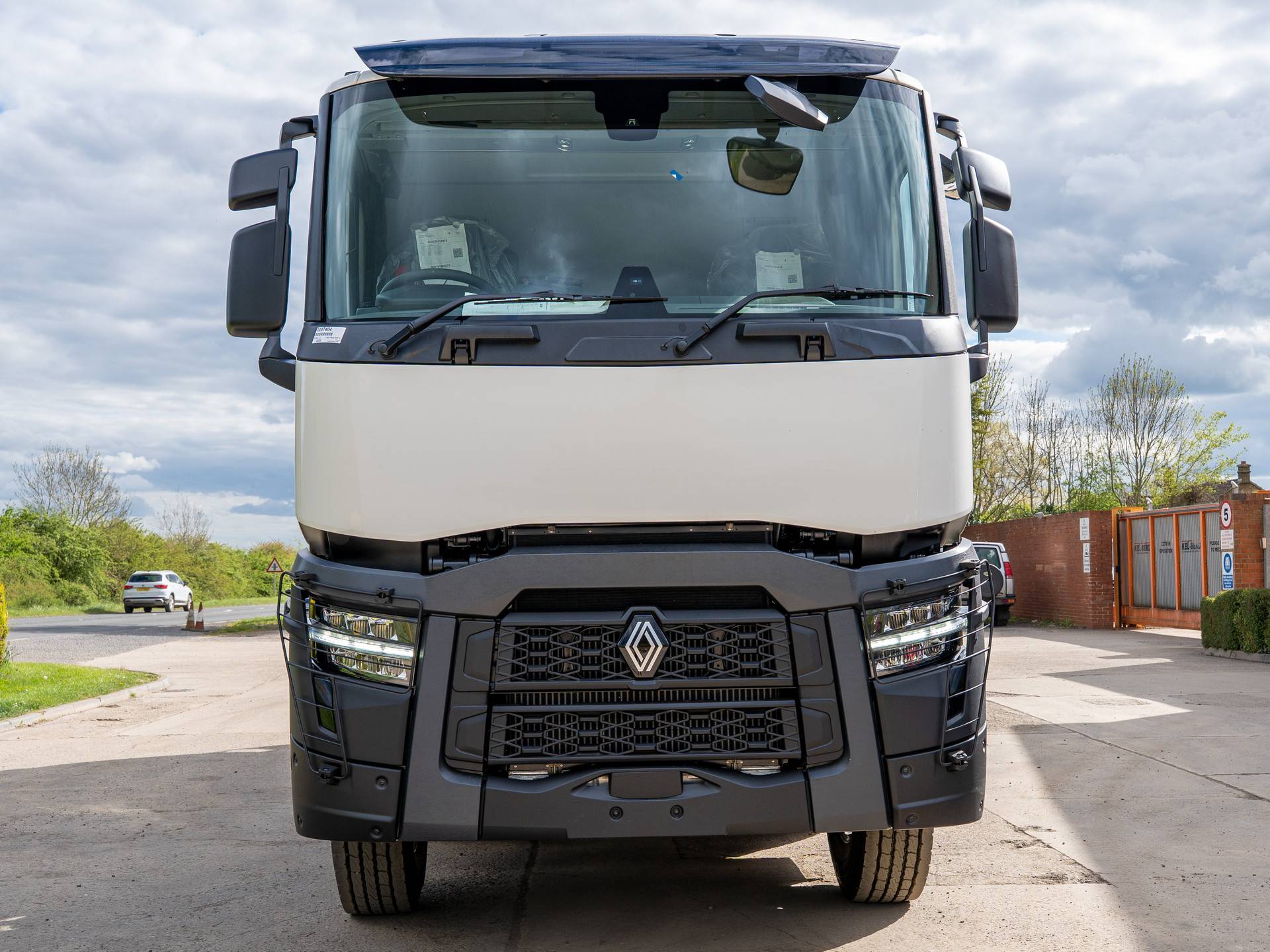
Externally, the C cab carries a plastic bumper with steel corner pieces and a high-position front anti-underrun bar. Entry is via three lit steps, and heated, remote-controlled main and wide-angle mirrors with kerb-view and front-view mirrors give all-round visibility.
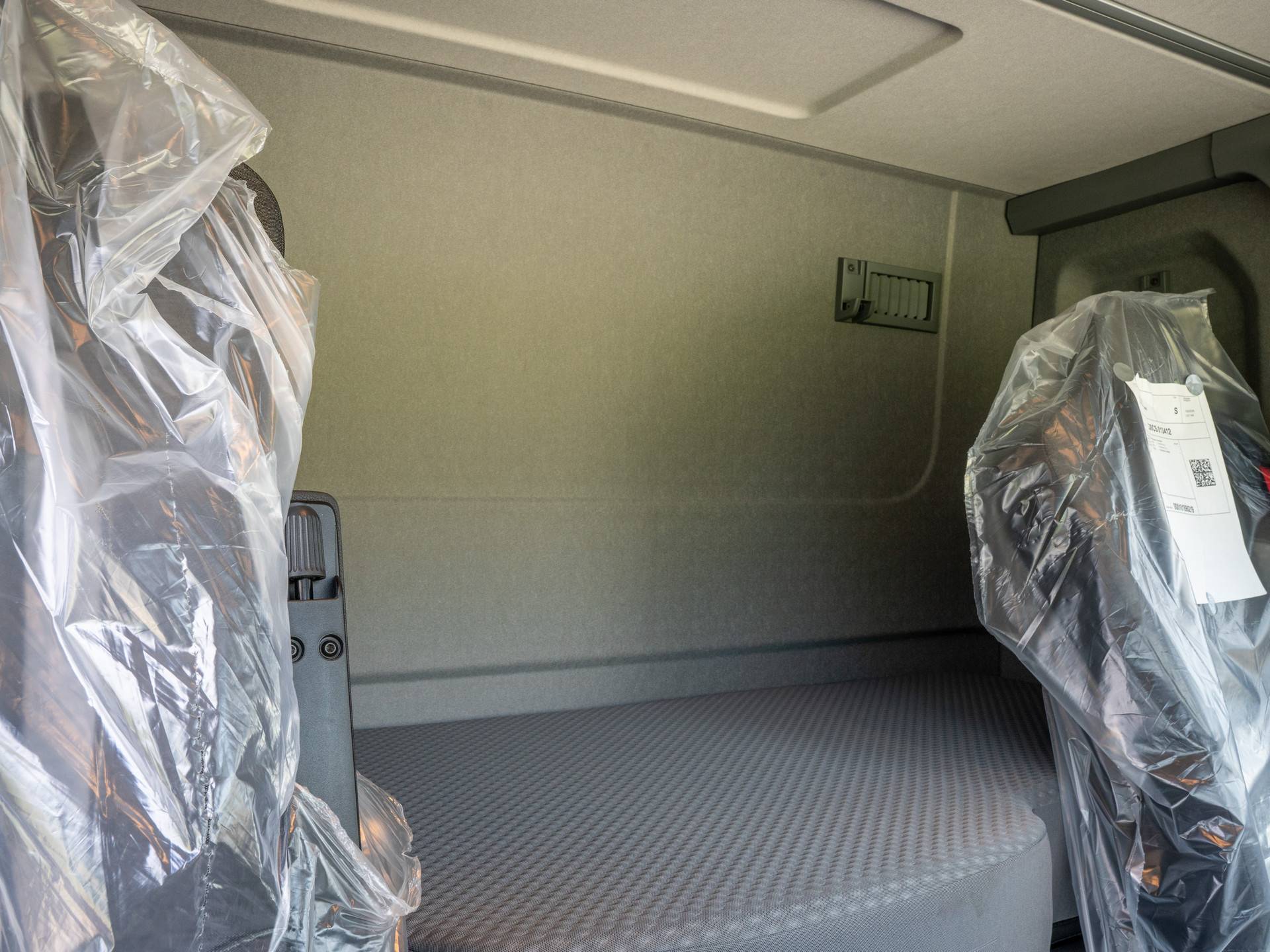
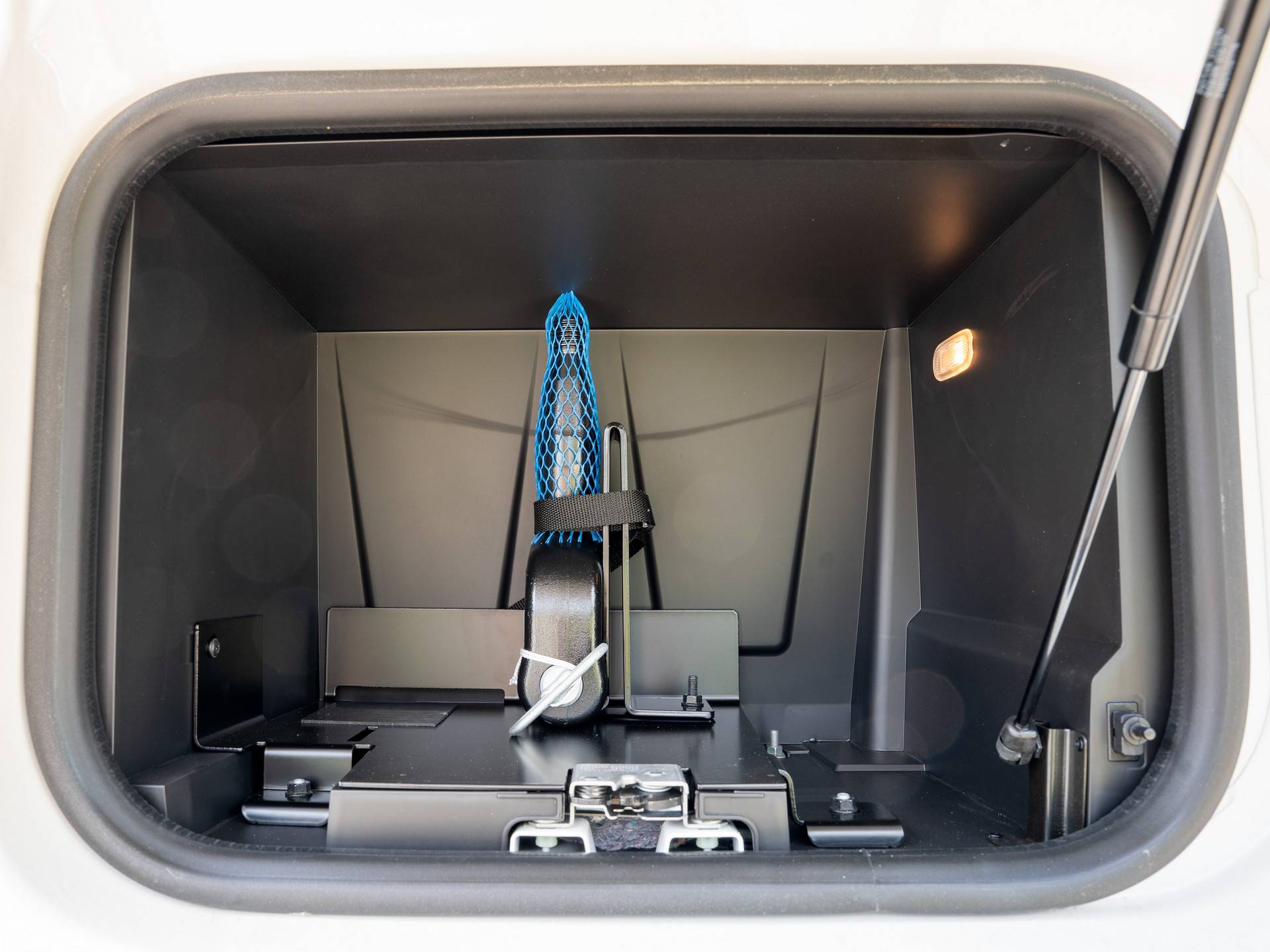
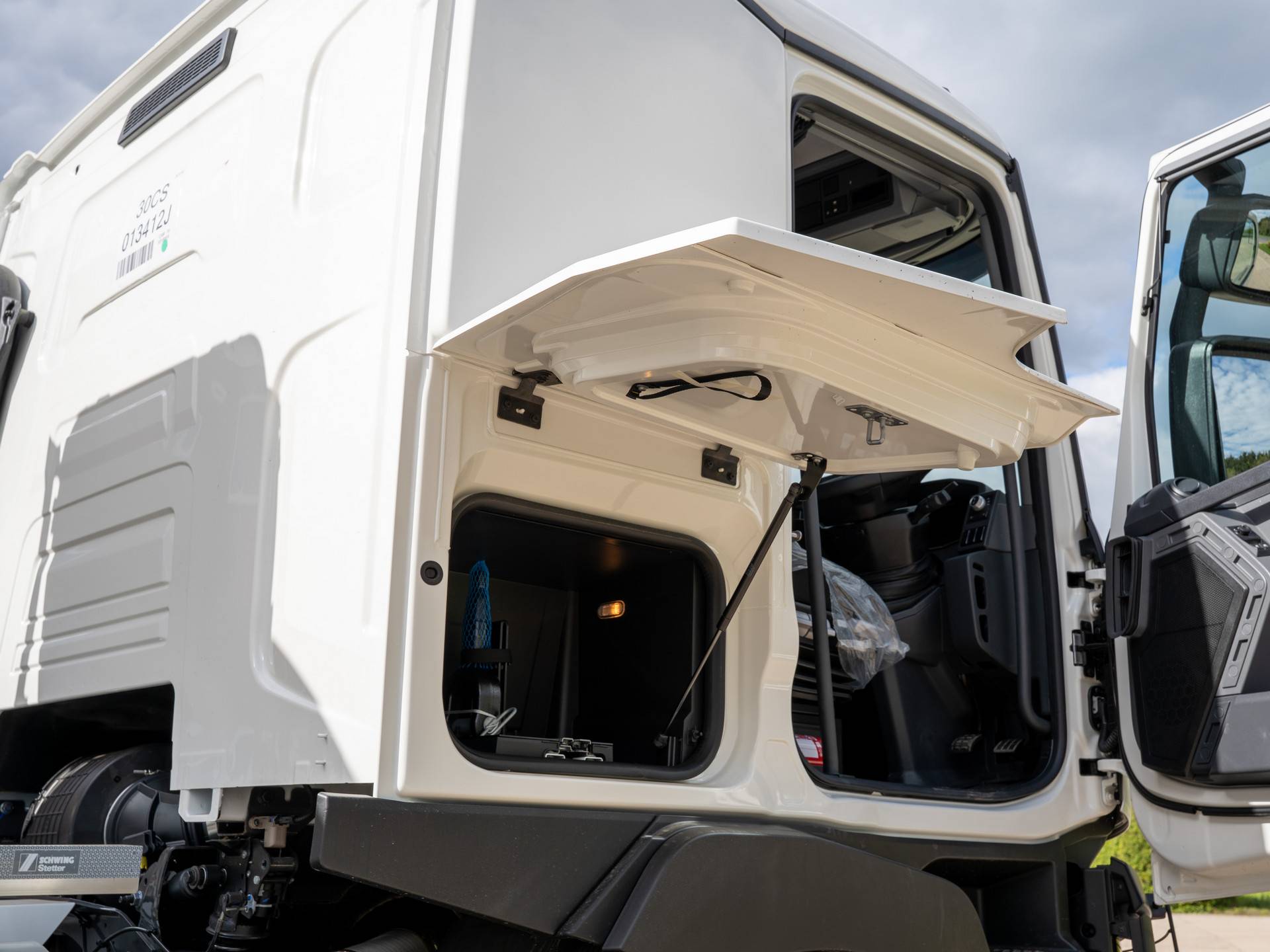
The Sérénité lower bunk is 2,018 mm long and 670 mm wide, opening to 790 mm between the seats, with a 170 mm mattress for proper rest on nights away. Curtains run around the cab, bunk area lighting covers the sleeping space, and a remote control with an integrated display puts the comfort functions within reach without leaving the bunk. A 12 V and 5 V socket at the bunk keeps devices charged, two storage boxes sit under the bunk, one accessible from both inside and outside the cab, and a heater vent above the bunk carries warmth from the stand-alone heater overnight.
The C 460 carries Renault’s DE11, a 10.8-litre, six-cylinder Euro 6 engine producing 460 hp at 1,700 to 1,900 rpm, and 2,200 Nm of torque from just 1,050 rpm. The low-rev torque means power is effectively delivered when pulling a full load from standing start, without revving the engine hard, then settling into efficient cruising on the road run. A Power Mode switch gives Eco running for economy and Eco Off when full performance is needed, and engine oil service intervals extend up to 100,000 km, keeping the truck earning between workshop visits.
Drive is delivered through Renault’s Optidriver ATO 2612 12-speed automated gearbox with automatic clutch, spanning ratios from 11.73 to 0.79, with automatic and manual modes selected from the gear shift selector on the steering wheel.
The PMR 2161D twin-reduction rear tandem runs a 3.85 axle ratio with an integral differential lock, engaging below 10 km/h, for traction on poor ground.
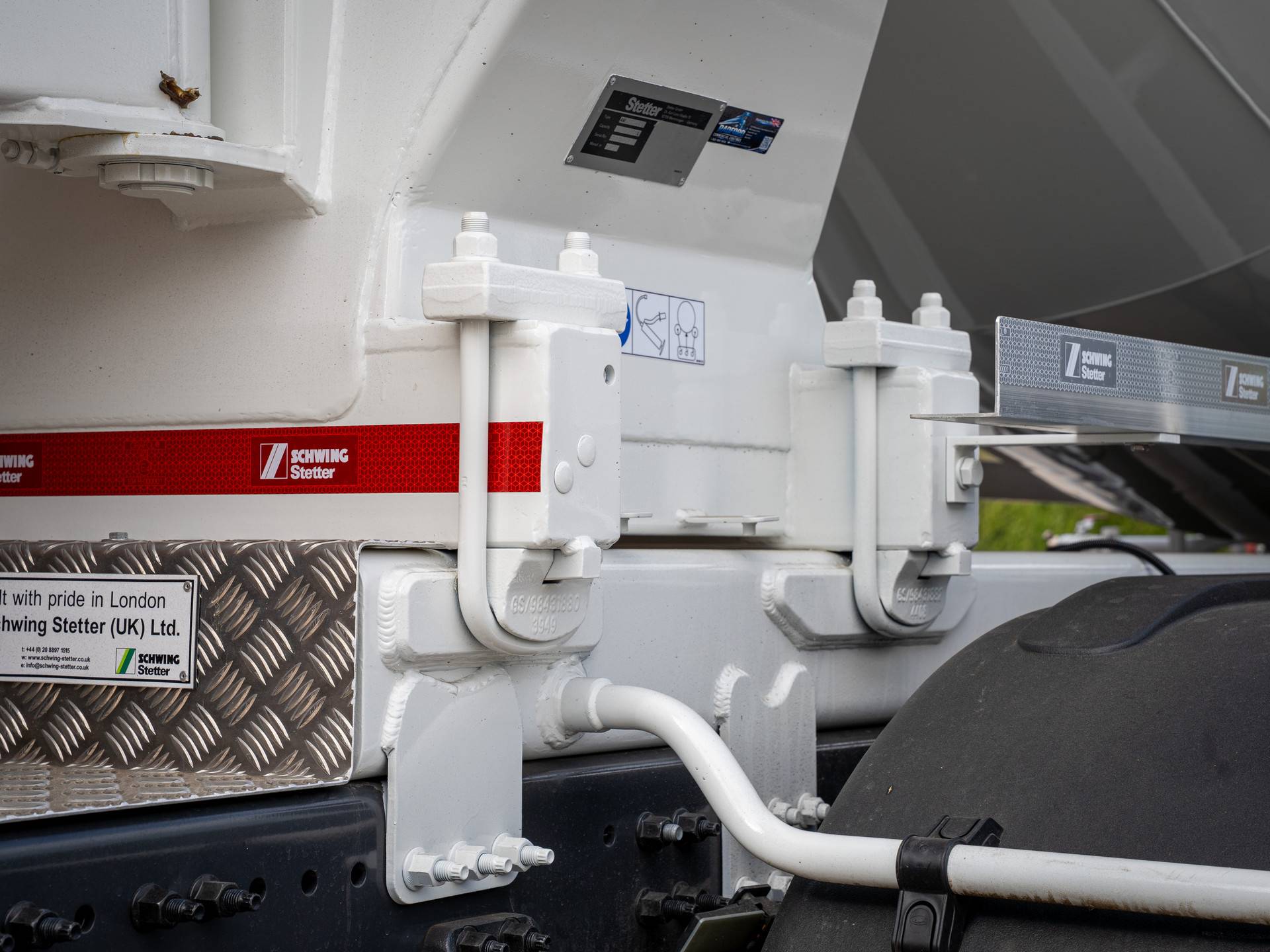
The 8×4 layout runs twin 8,000 kg front axles on two-leaf springs with an anti-roll bar, and a rear tandem rated to 19,000 kg on three-leaf parabolic springs with a stabiliser and shock absorbers, at 32,000 kg GVM.
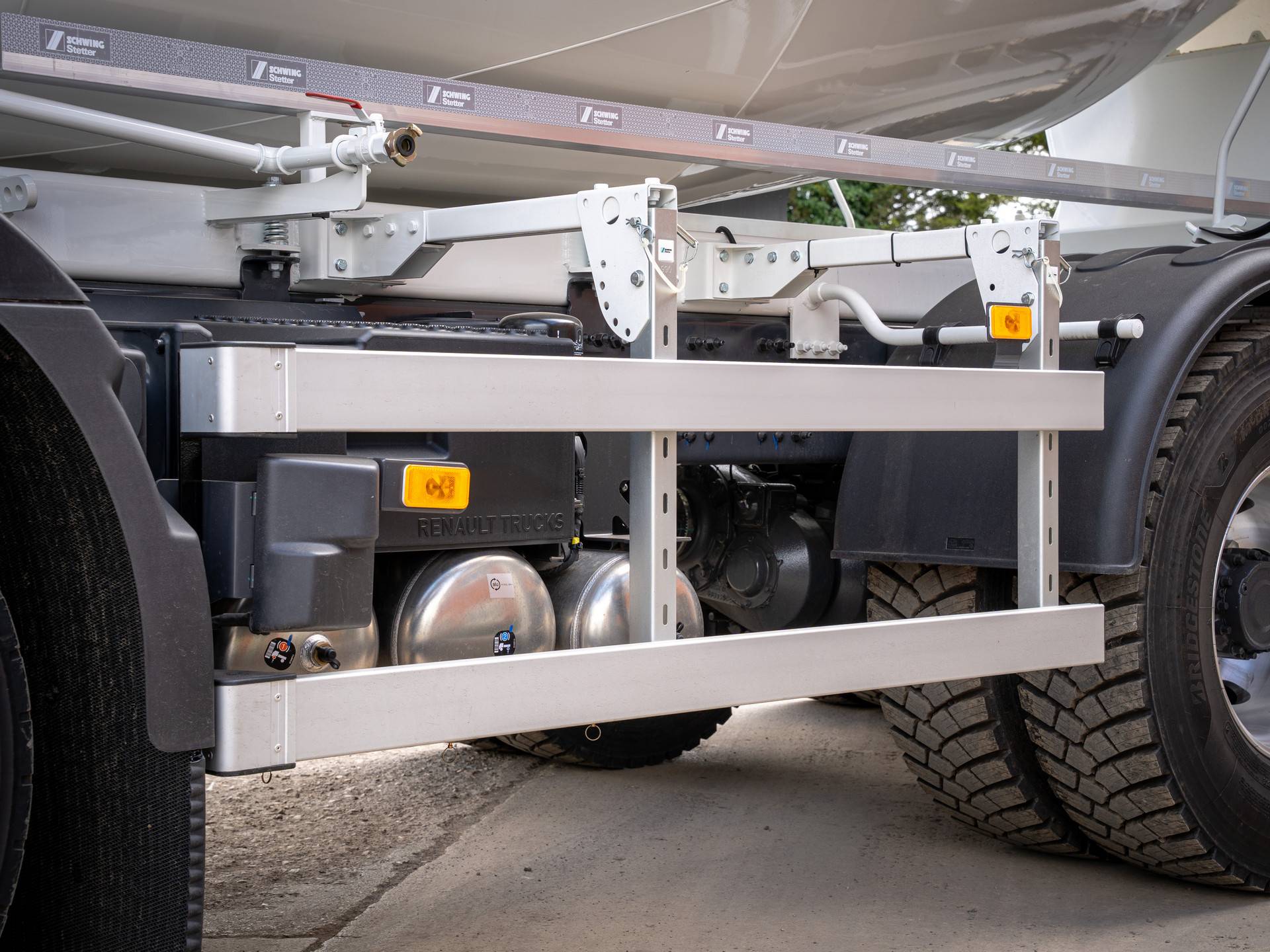
Braking is ventilated discs all round on a twin-circuit air system with ABS, anti-slip regulation and Electronic Stability Control. The electronic park brake applies automatically when the driver leaves the vehicle, so the truck cannot be left unparked, and OPTIBRAKE combines the exhaust brake with valve compression braking for 300 kW of engine braking, controlled from the steering column, on laden descents.
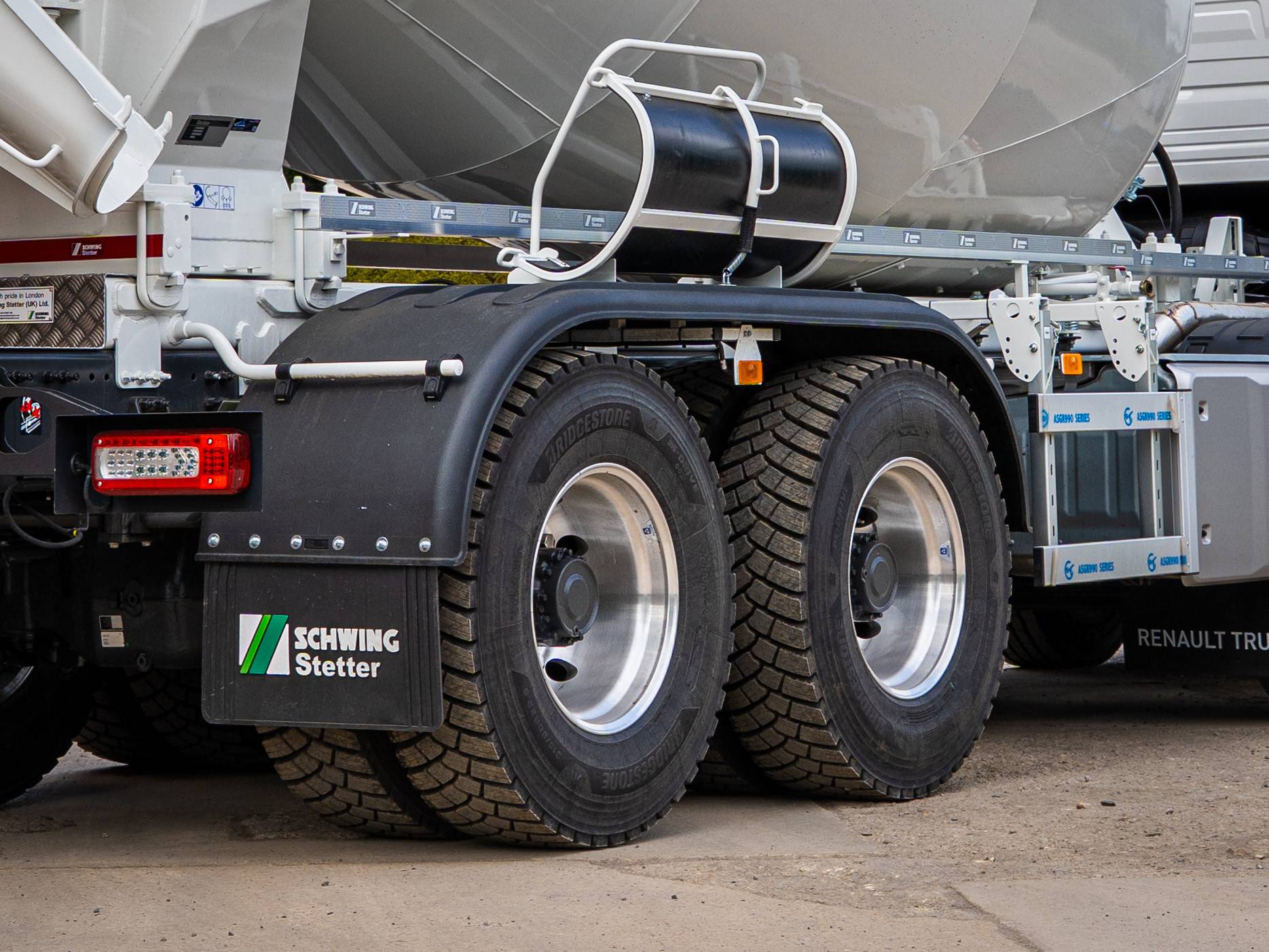
Wheels are Alcoa brushed aluminium fitted with Bridgestone M-STEER 002 steer and M-DRIVE 002 drive tyres, 315/80R22.5, with tyre pressure monitoring.
A 275-litre plastic fuel tank sits between the two front axles on the left-hand side, fed through a heavy-duty fuel sedimenter and pre-filter. The 57-litre AdBlue tank sits inside the chassis on the right.
Emission control is Renault’s compact Euro 6 after-treatment system (catalytic converter, DPF and SCR) with automatic particulate filter regeneration, discharging through a side exhaust. Compact air filtration with a pre-filter suits dusty site conditions.
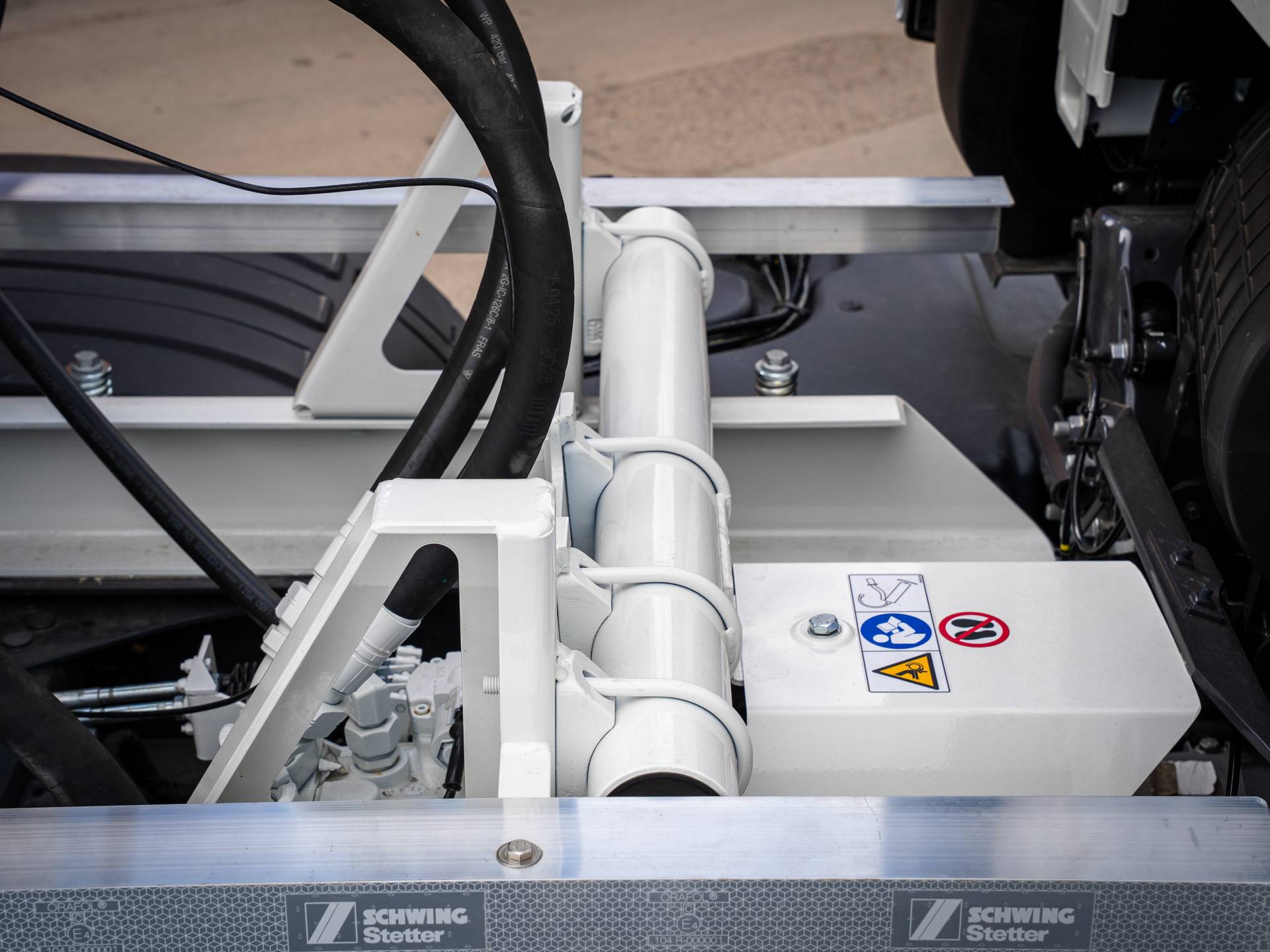
The chassis carries an engine rear power take-off (DIN 100 flange output, 1.08 ratio) with continuous drive, rated at 650 Nm static and 200 Nm dynamic. Driven directly from the engine, it gives the mixer hydraulics live drive whether the truck is moving or parked, keeping the drum turning.
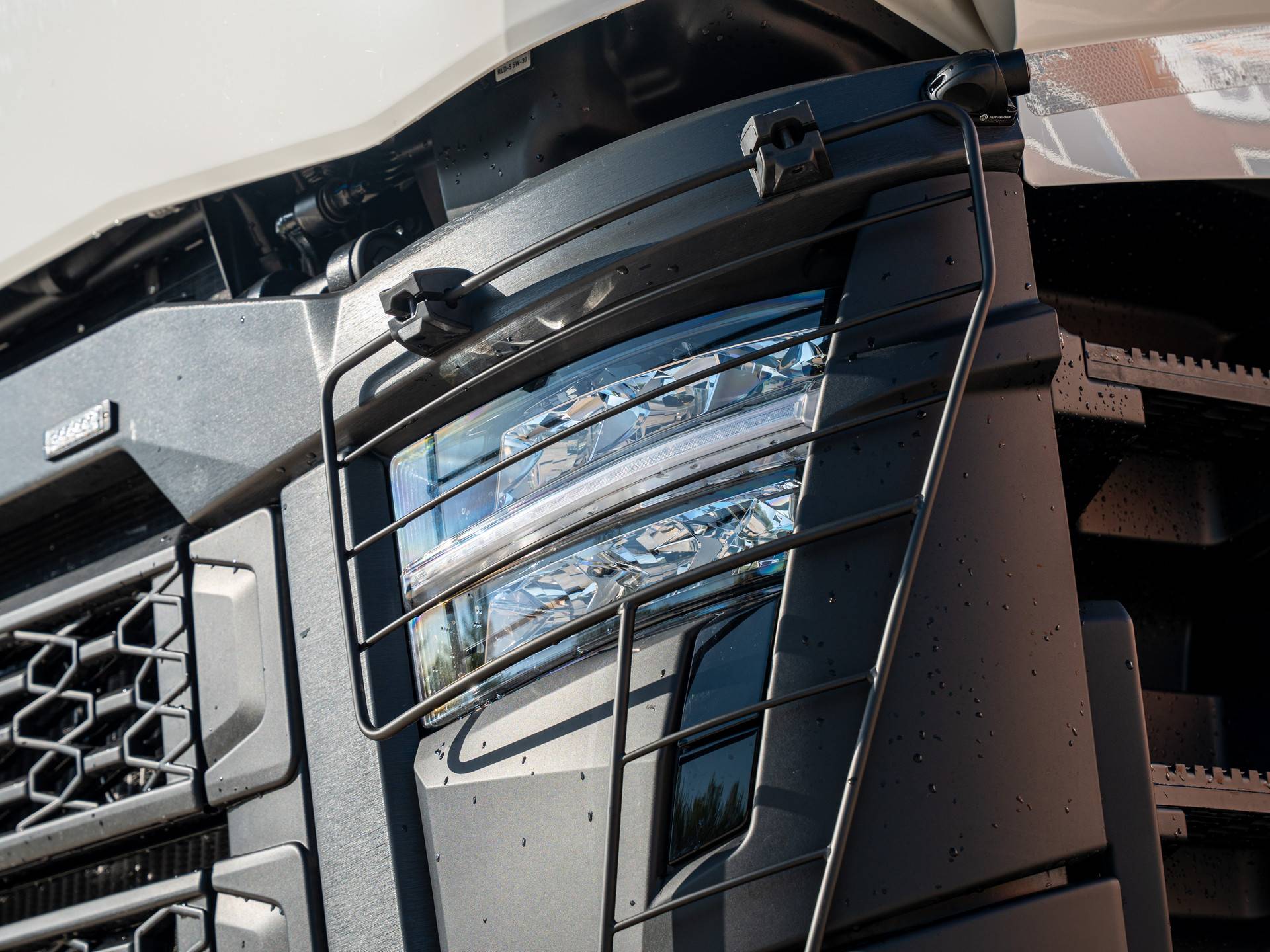
Lighting is LED: twin headlight modules give a 1,450 lumen main beam and a 700 lumen dipped beam, with daytime running lights and indicators on a high-brightness two-tone LED strip, front fog lights, step lighting and LED rear light units.
Electrical power comes from 225 Ah maintenance-free batteries, with a remote battery cut-out and automatic standby to protect charge when parked. 12 V and 24 V sockets sit on the dashboard for accessories.
A DTCO 4.1 digital tachograph records drivers’ hours, and the FMS Gateway fleet management interface and SAE cab socket let fleet systems draw vehicle data straight from the truck. A 4G TGW3 telematics unit with its own antenna and TELENOR SIM card enables subscription to Optifleet services (Map, Check and Drive), activated automatically so there is nothing to set up. An assistance button gives geolocation through the 24/7 platform when help is needed, and CB pre-equipment makes fitting a CB radio straightforward.
Forward Collision Warning with Advanced Emergency Braking alerts the driver and applies the brakes for traffic ahead, side radar monitors both sides with automatic braking on a potential hazard, and Lane Departure Warning guards against drifting out of lane. A camera-based driver behaviour warning system (DAS-W2) uses the front-mounted digital camera to monitor driving and warn the driver, and Electronic Stability Control adds trajectory control and anti-rollover intervention. Intelligent Speed Assist displays speed limits in the cab, and a reversing buzzer with night switch protects those around the vehicle.
A driver’s airbag and a seat-belt-fastened reminder cover in-cab protection, a transponder-key starting inhibitor covers security, and the cab is ready to fit an alcohol interlock.
The chassis cab is supplied with Renault’s Uptime service programme.
Bodywork
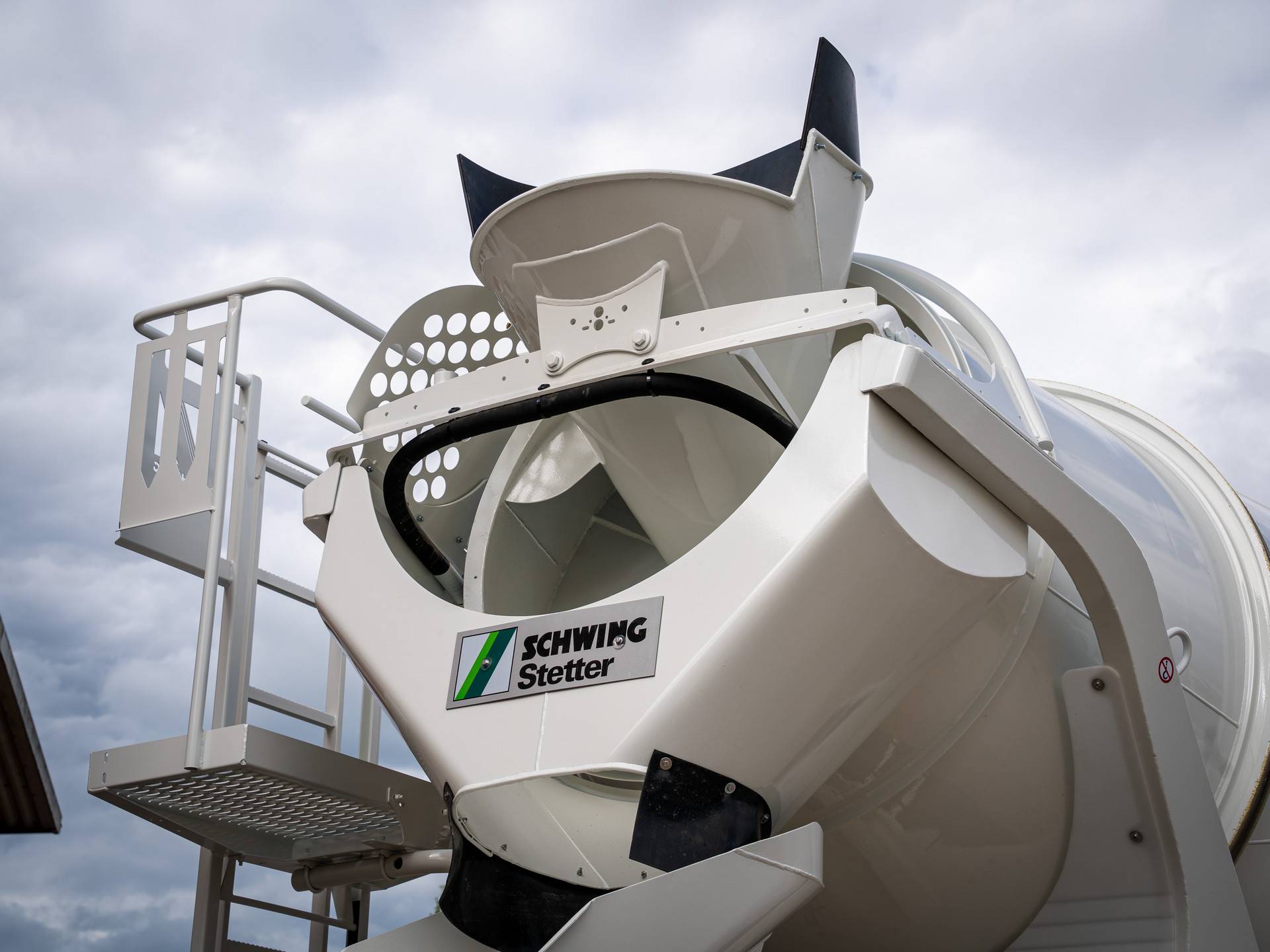
The 9 m³ drum comes from Schwing-Stetter’s Light Line platform, designed to keep drum weight down. Geometric volume is 15,000 litres with a 12.45° drum inclination.
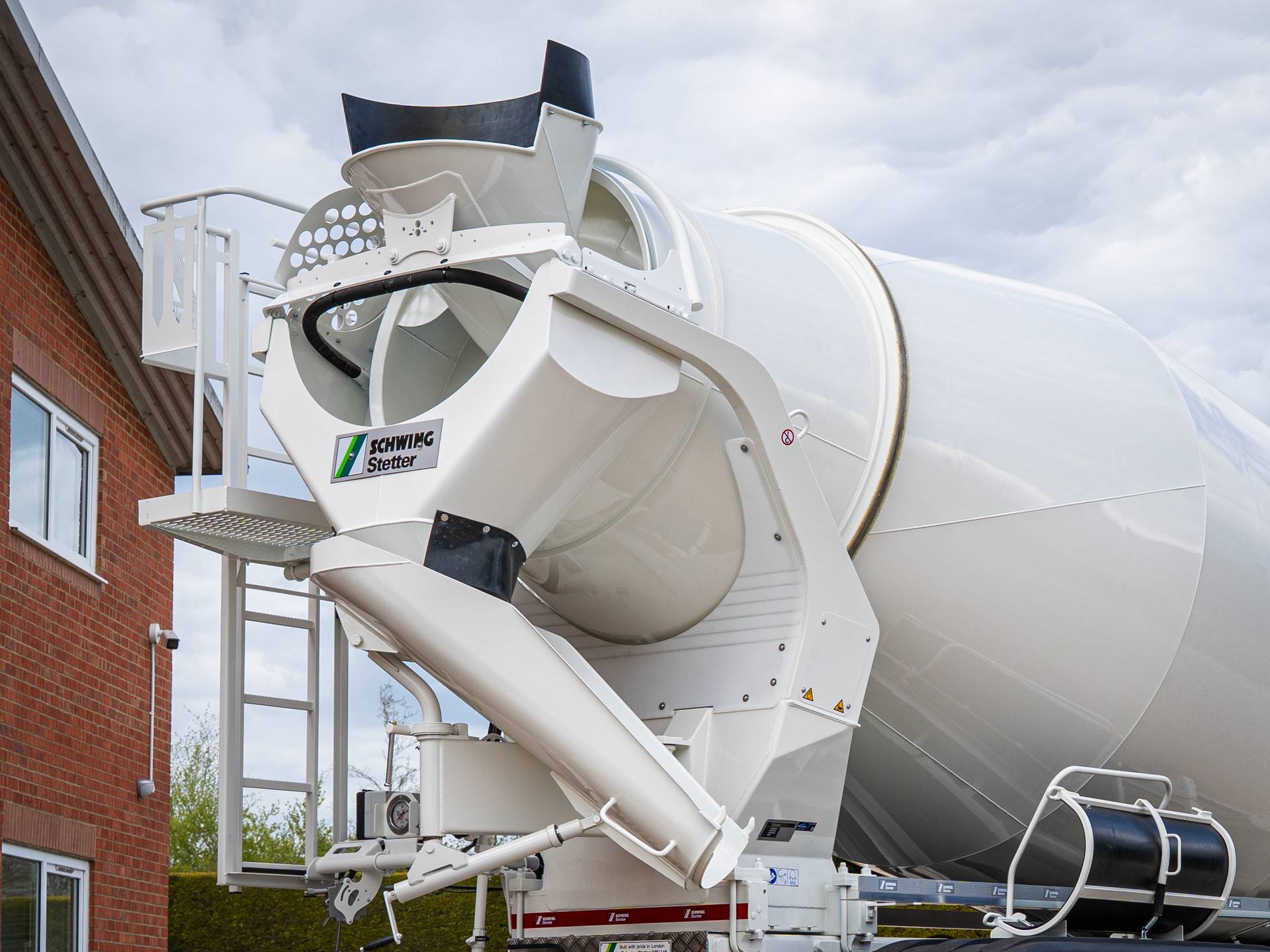
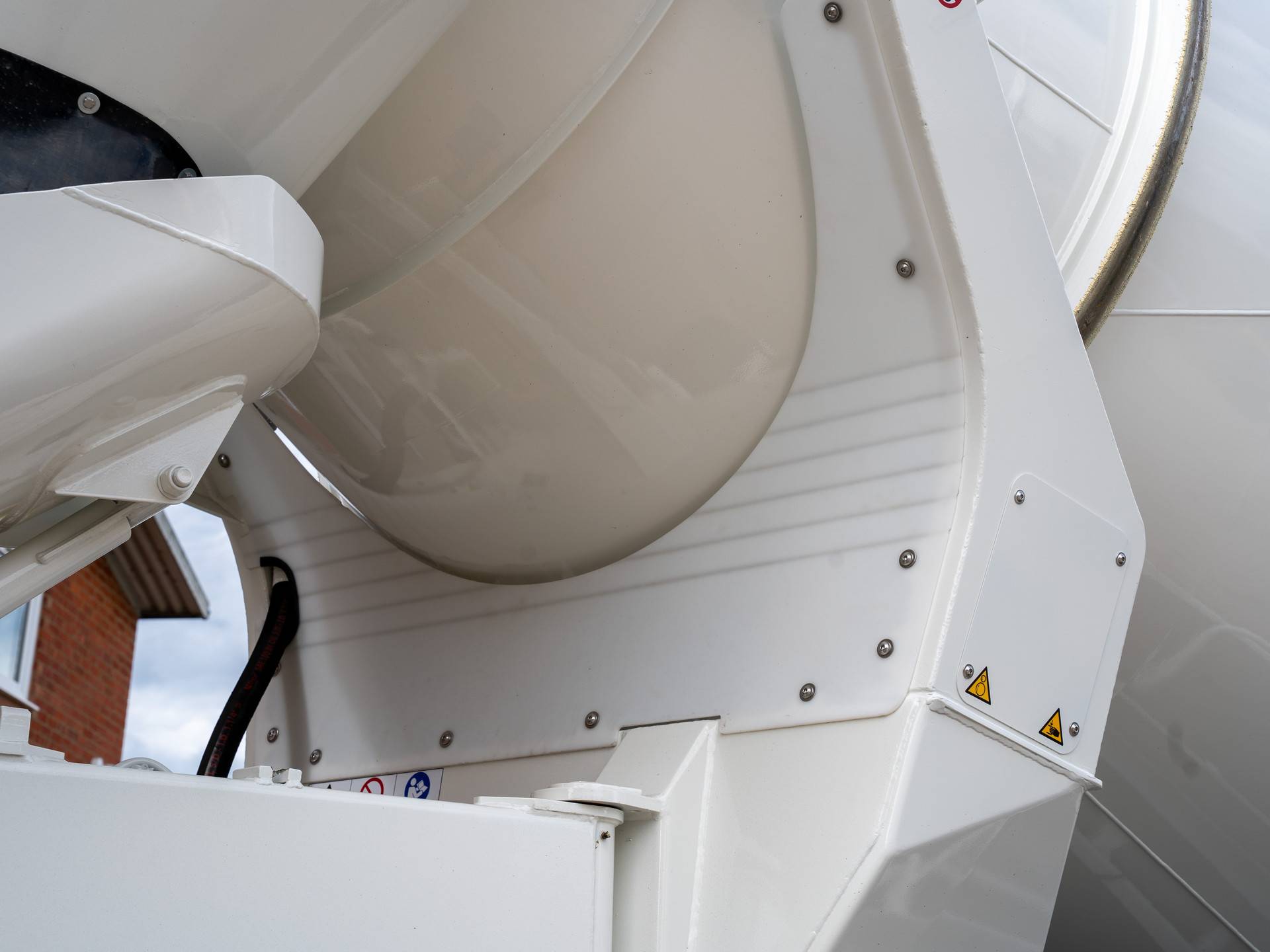
The mixing spiral’s main wear zones are 500 HB steel, with 550 HB steel on the blade sides where aggregate contact is most aggressive. A roller greasing point on the rear pedestal makes daily greasing a ground-level job, and a front-mounted drum lock secures the drum when needed.
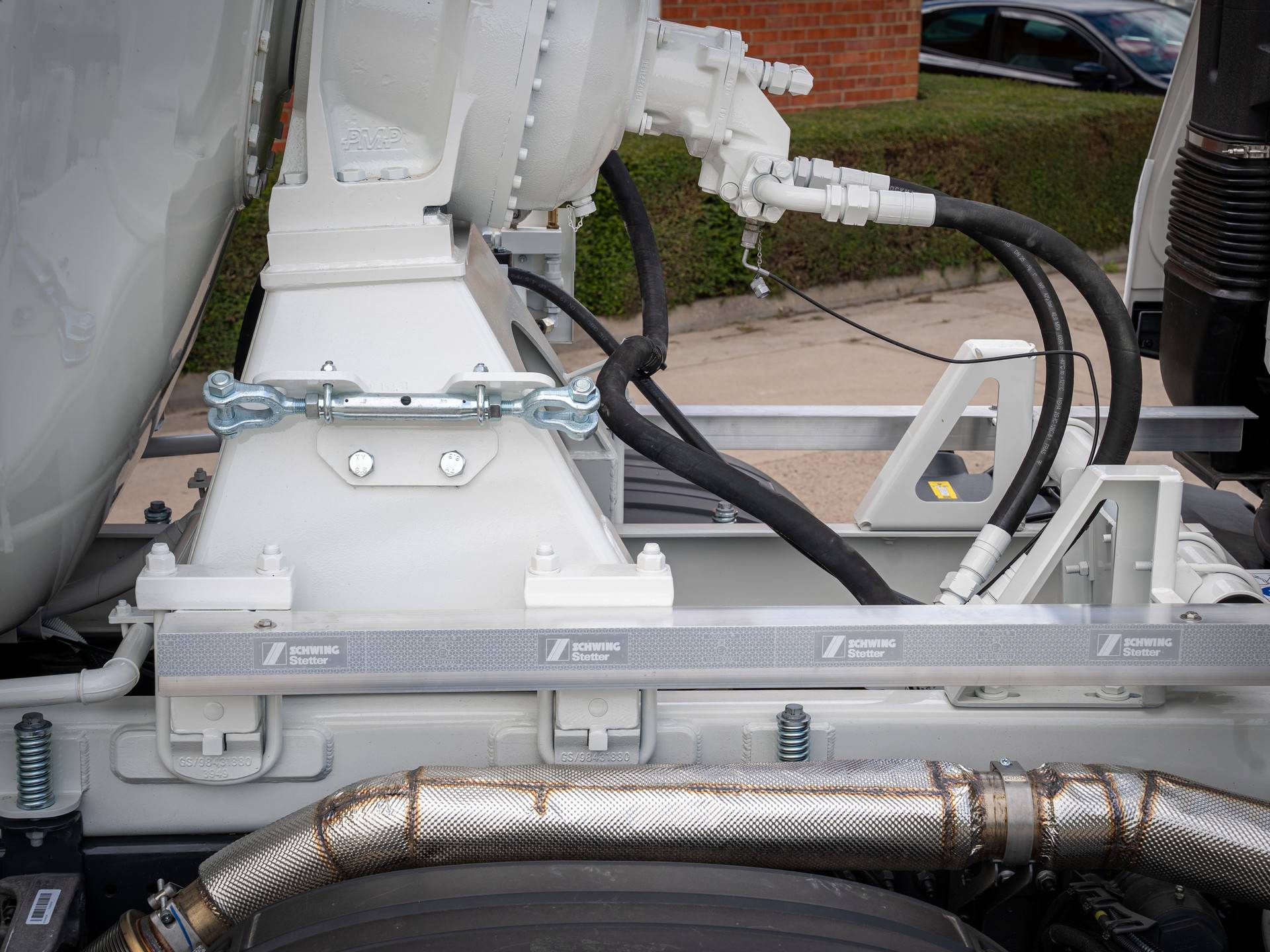
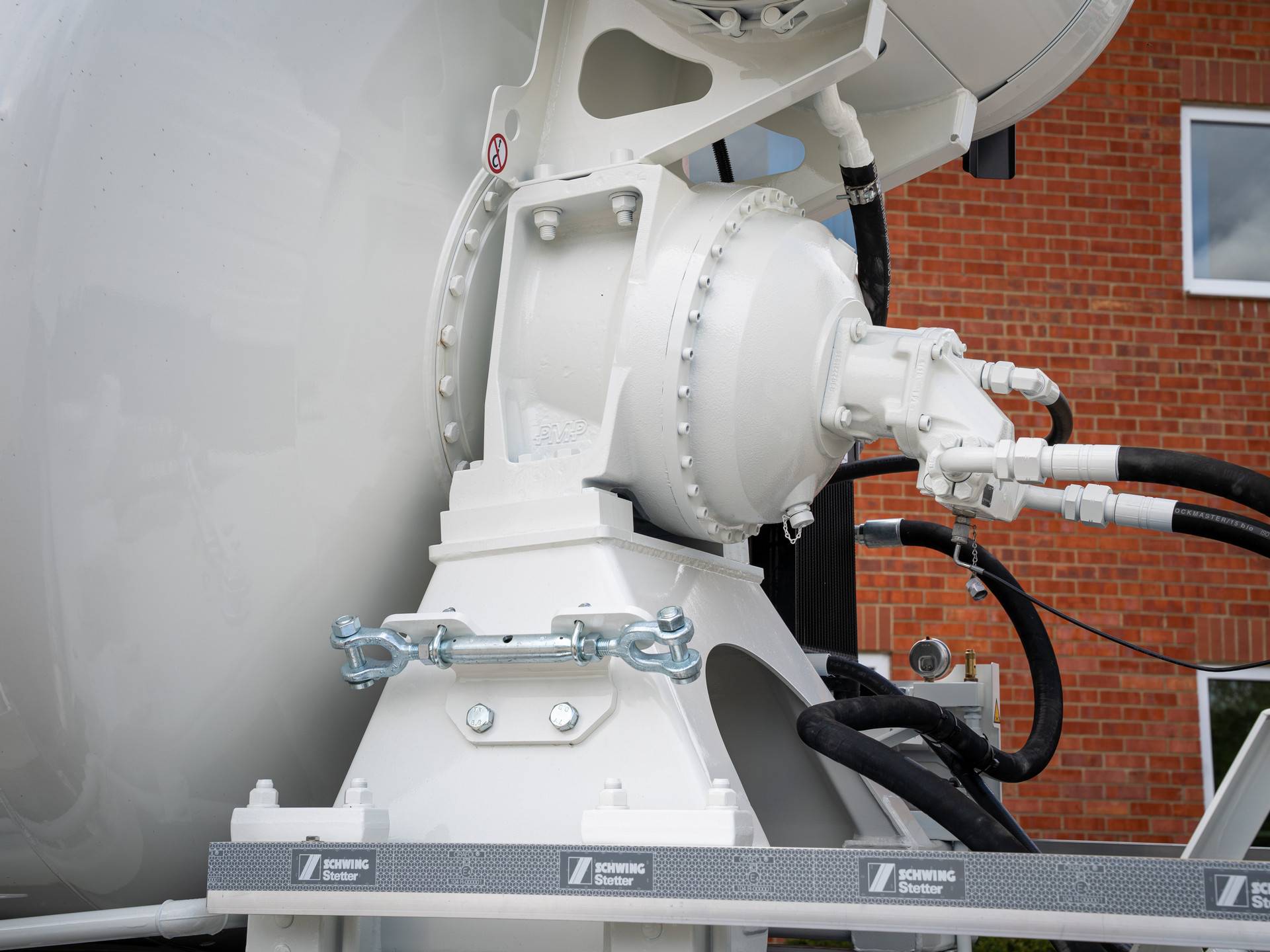
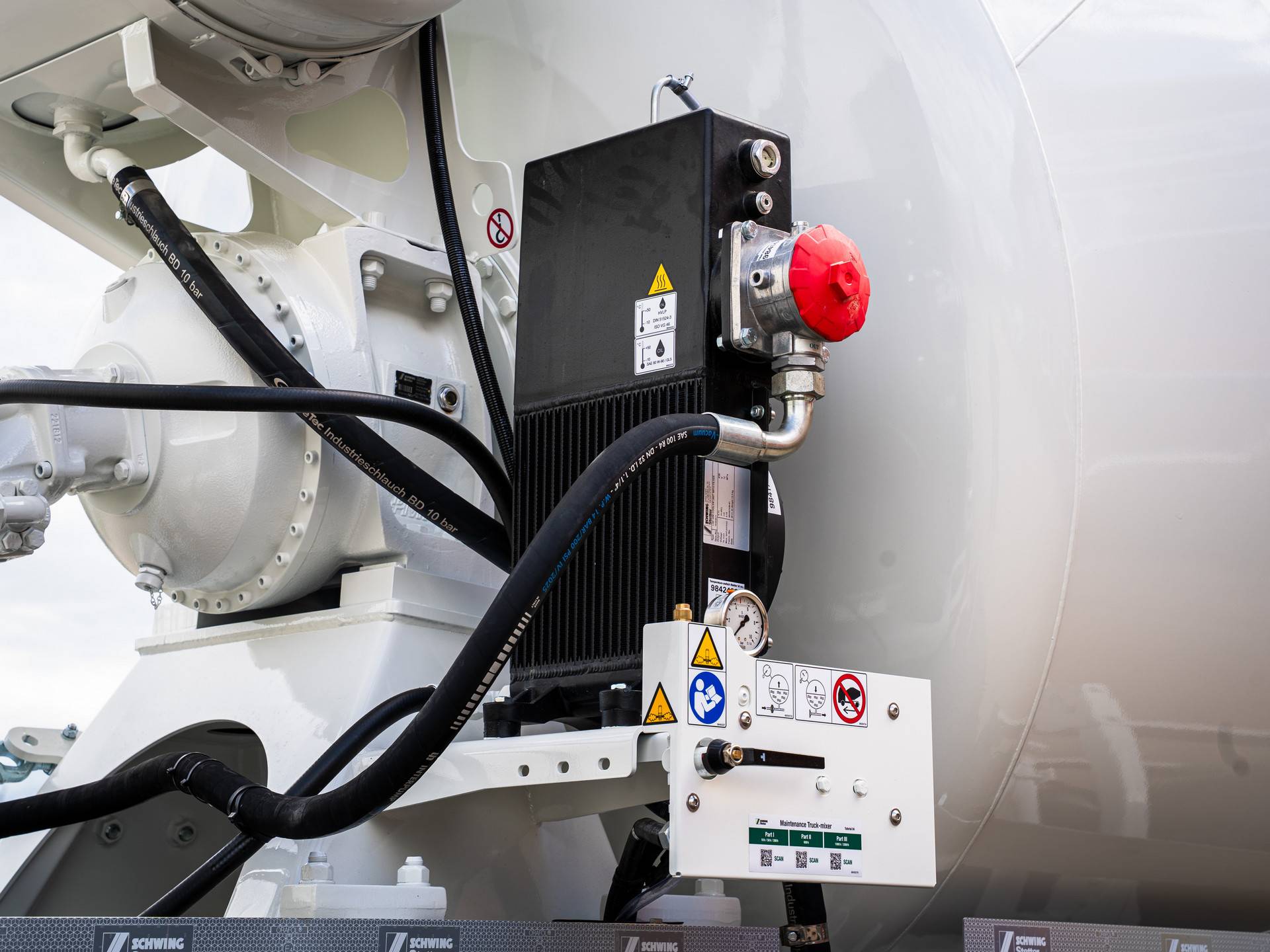
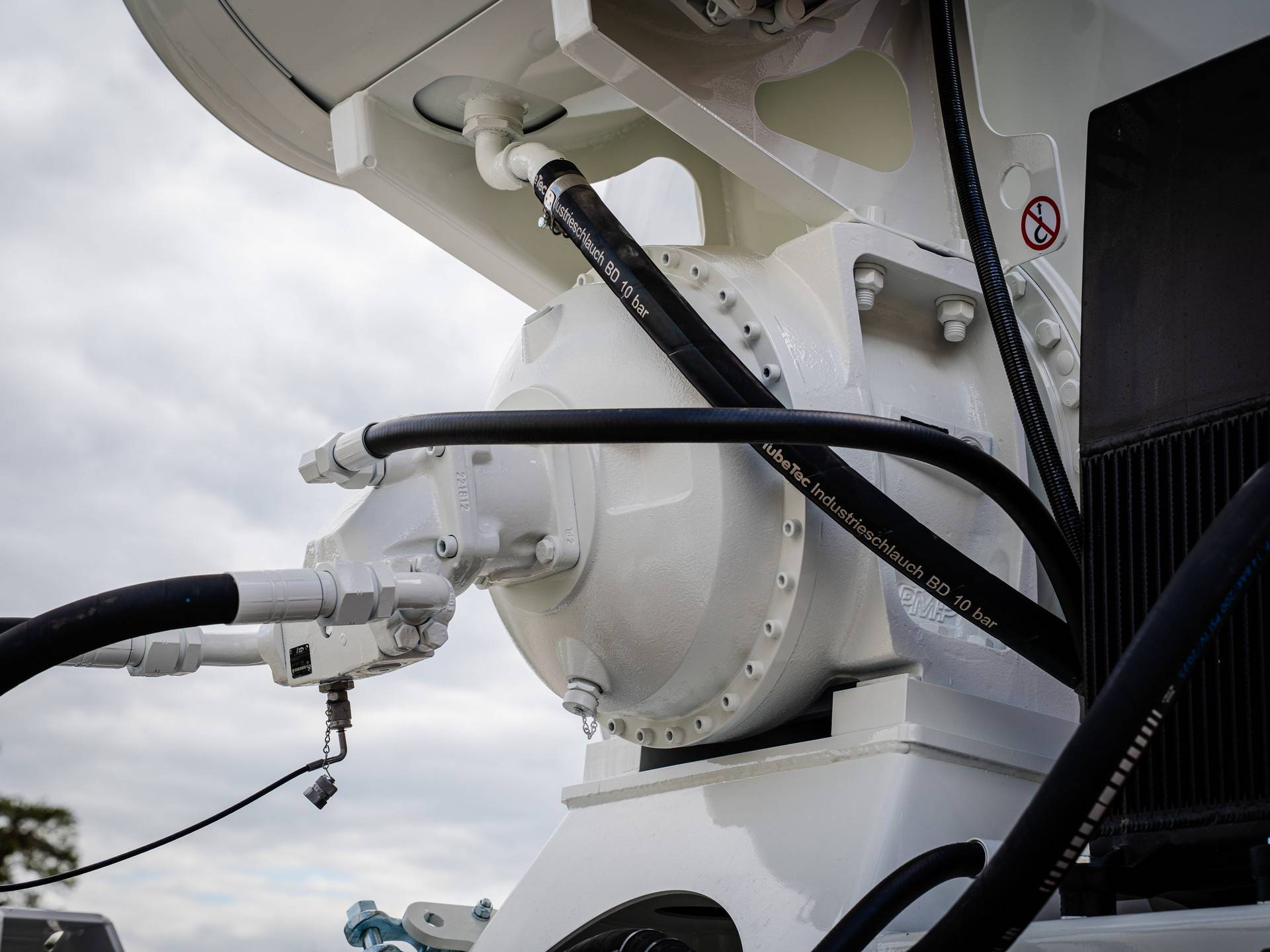
Drum drive is a PMB planetary mixer gearbox powered by a Bosch Rexroth A4VTG90 axial piston pump, a closed-circuit hydrostatic drive purpose-built for truck mixers. A complete oil cooling system with thermostat and fan controls hydraulic temperatures.
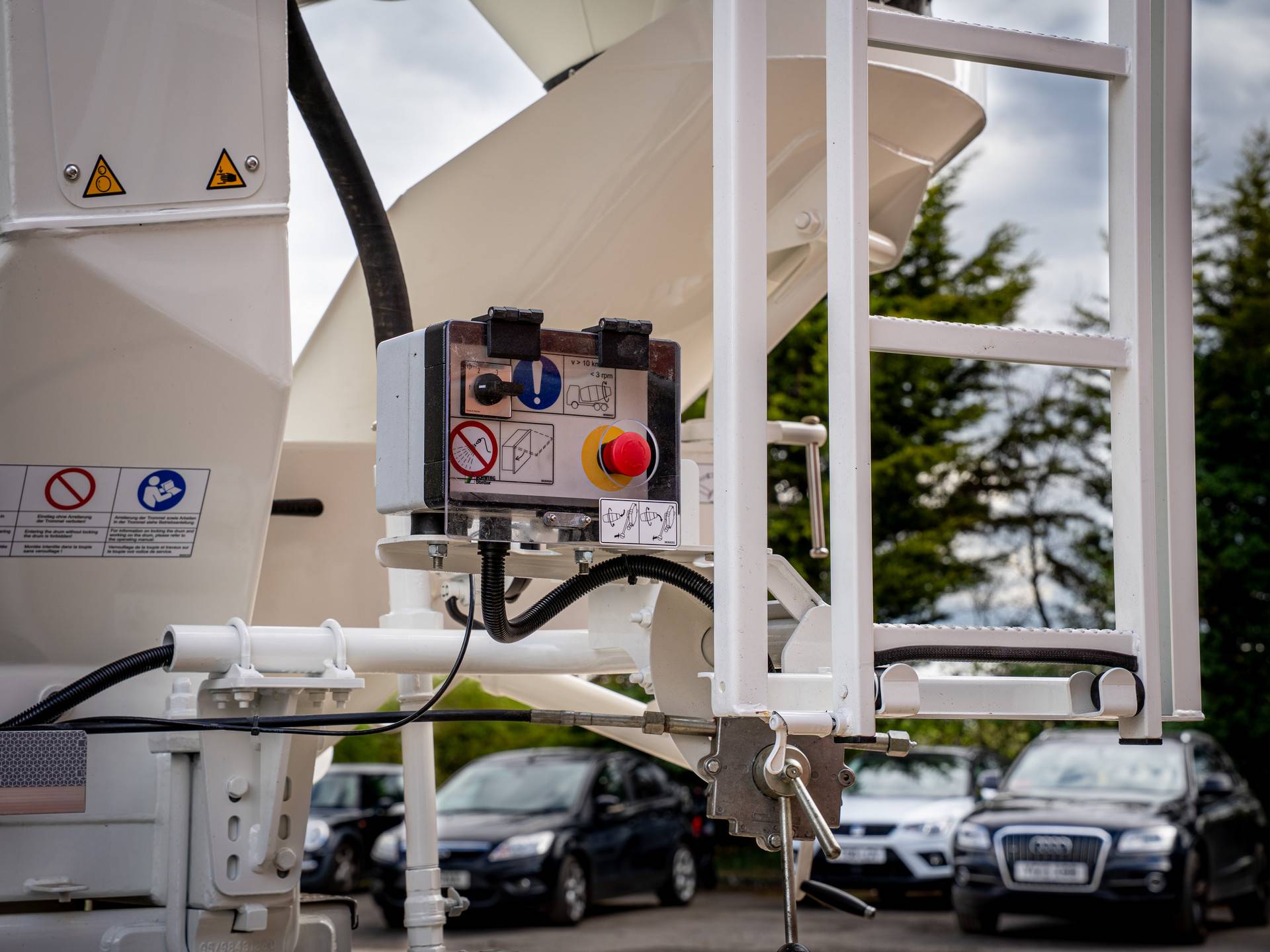
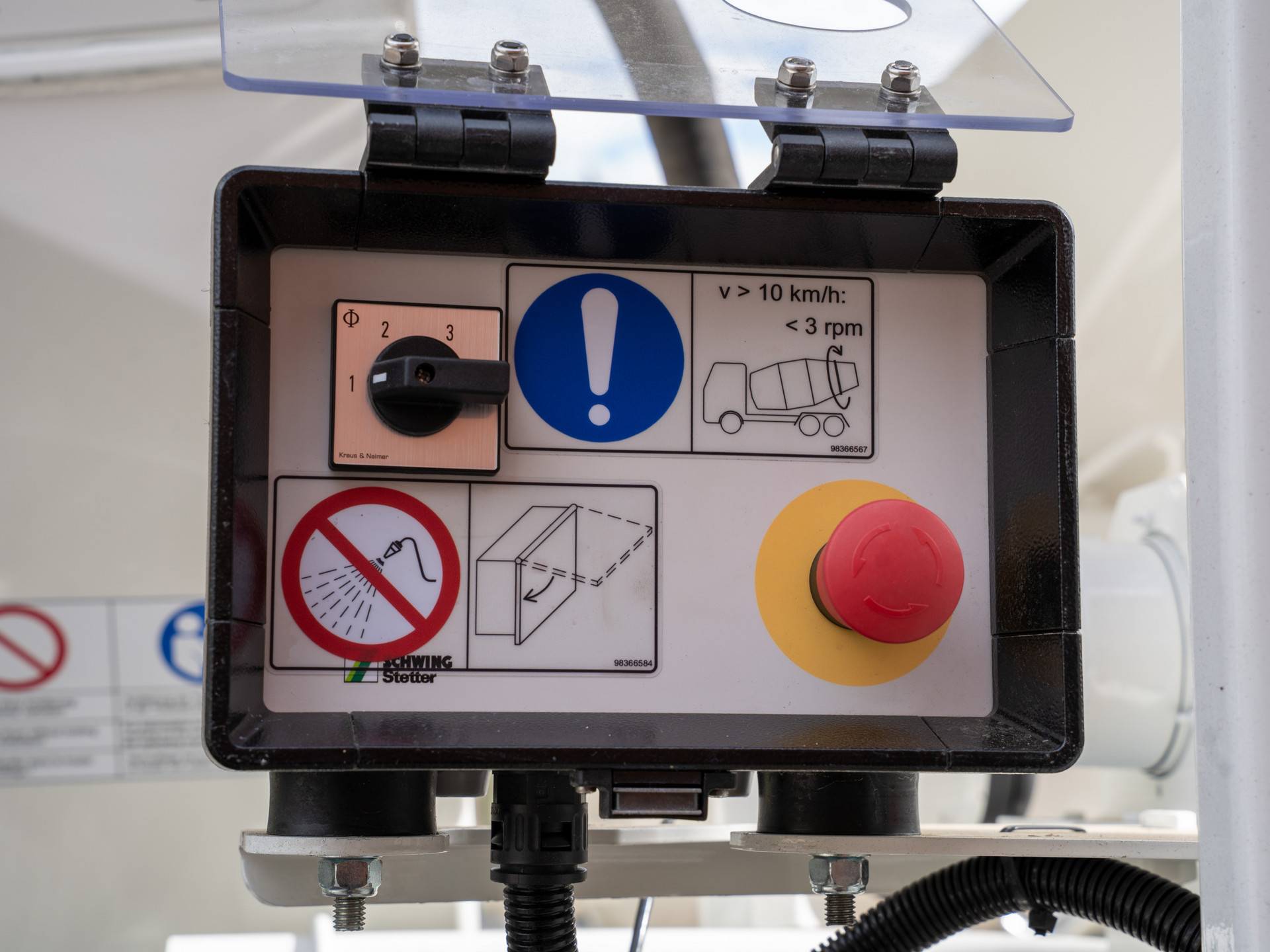
Drum speed is set by a fixed four-position electronic control (EDC), holding the selected drum speed independent of road speed.
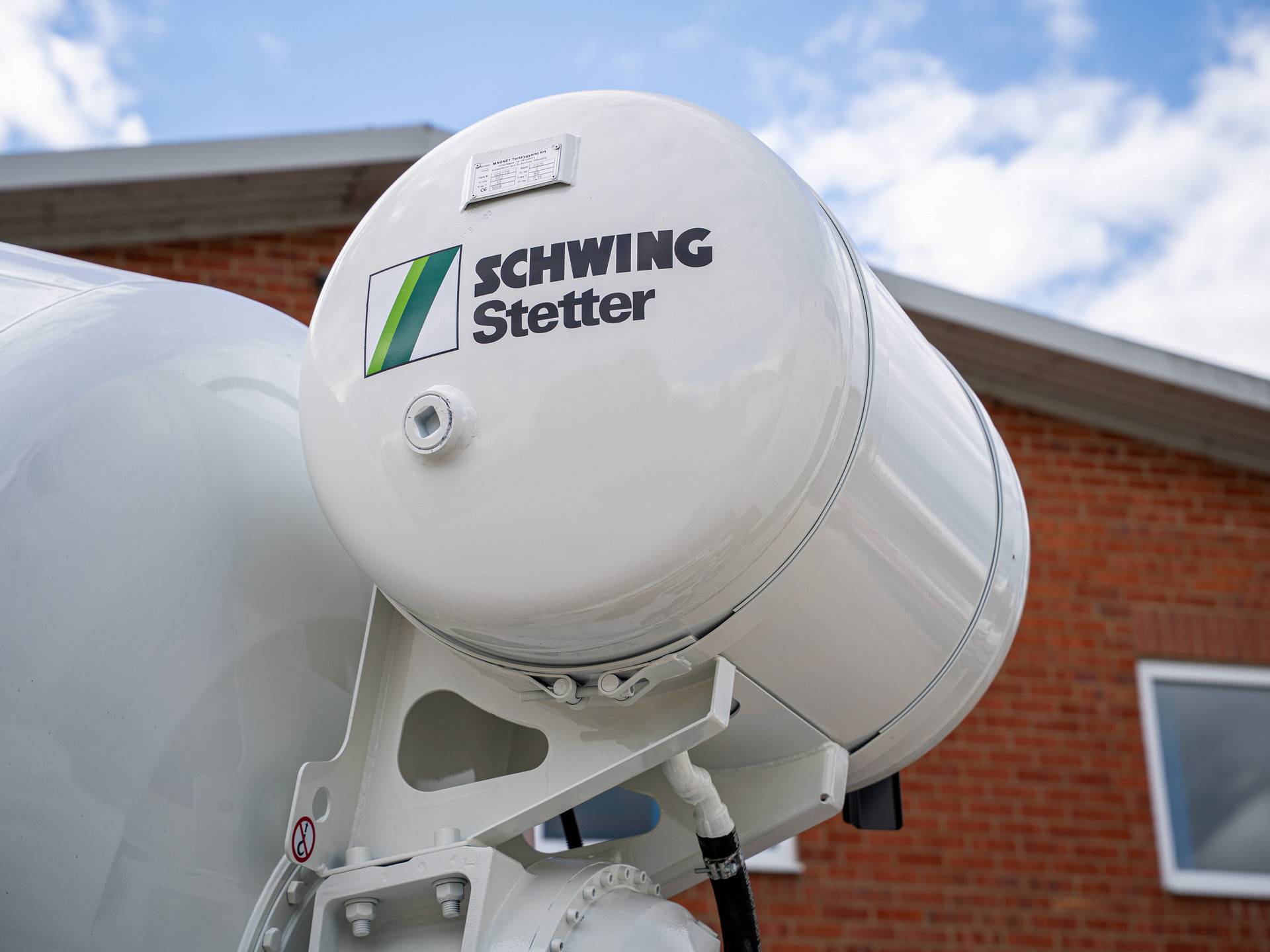
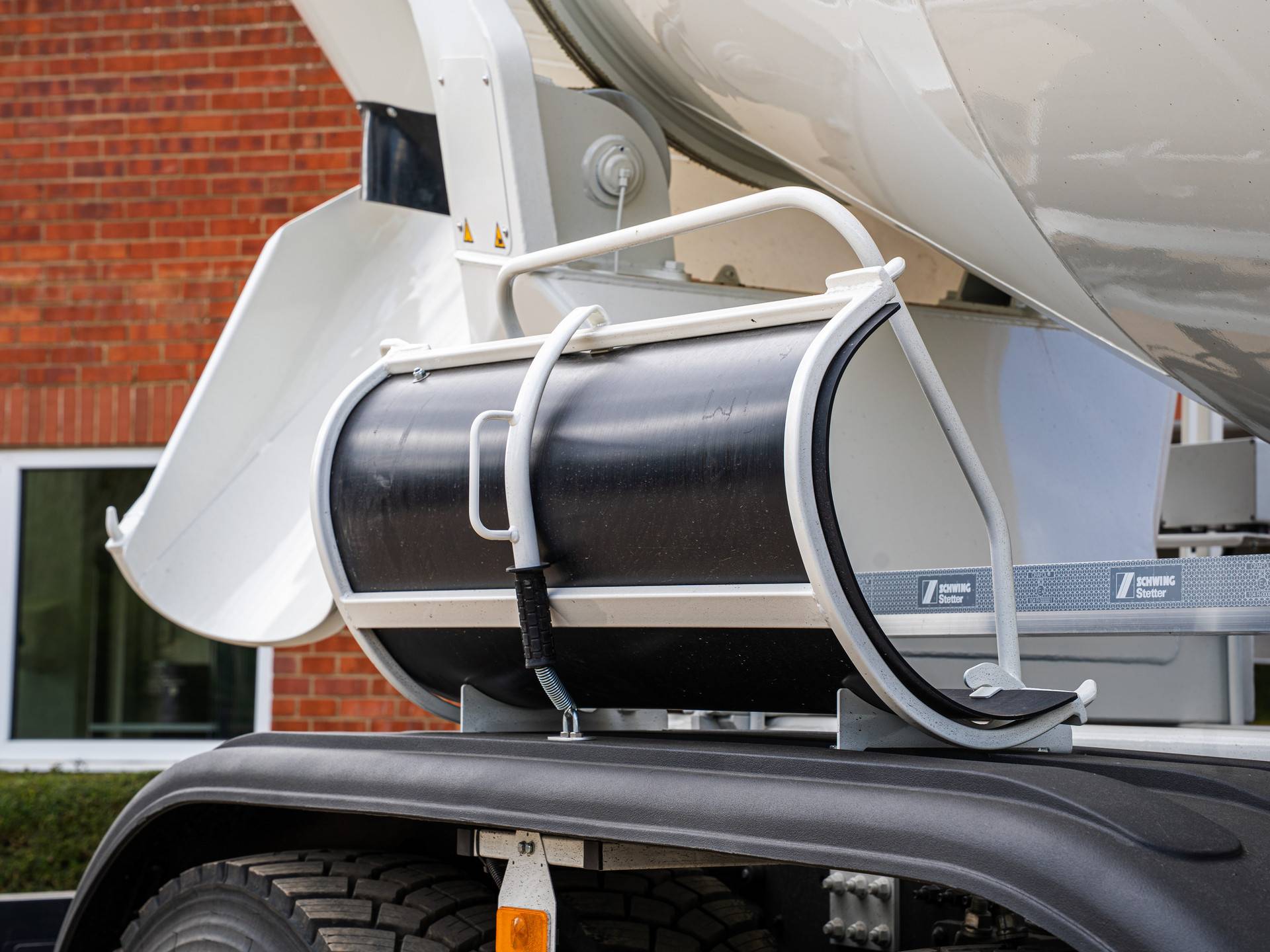
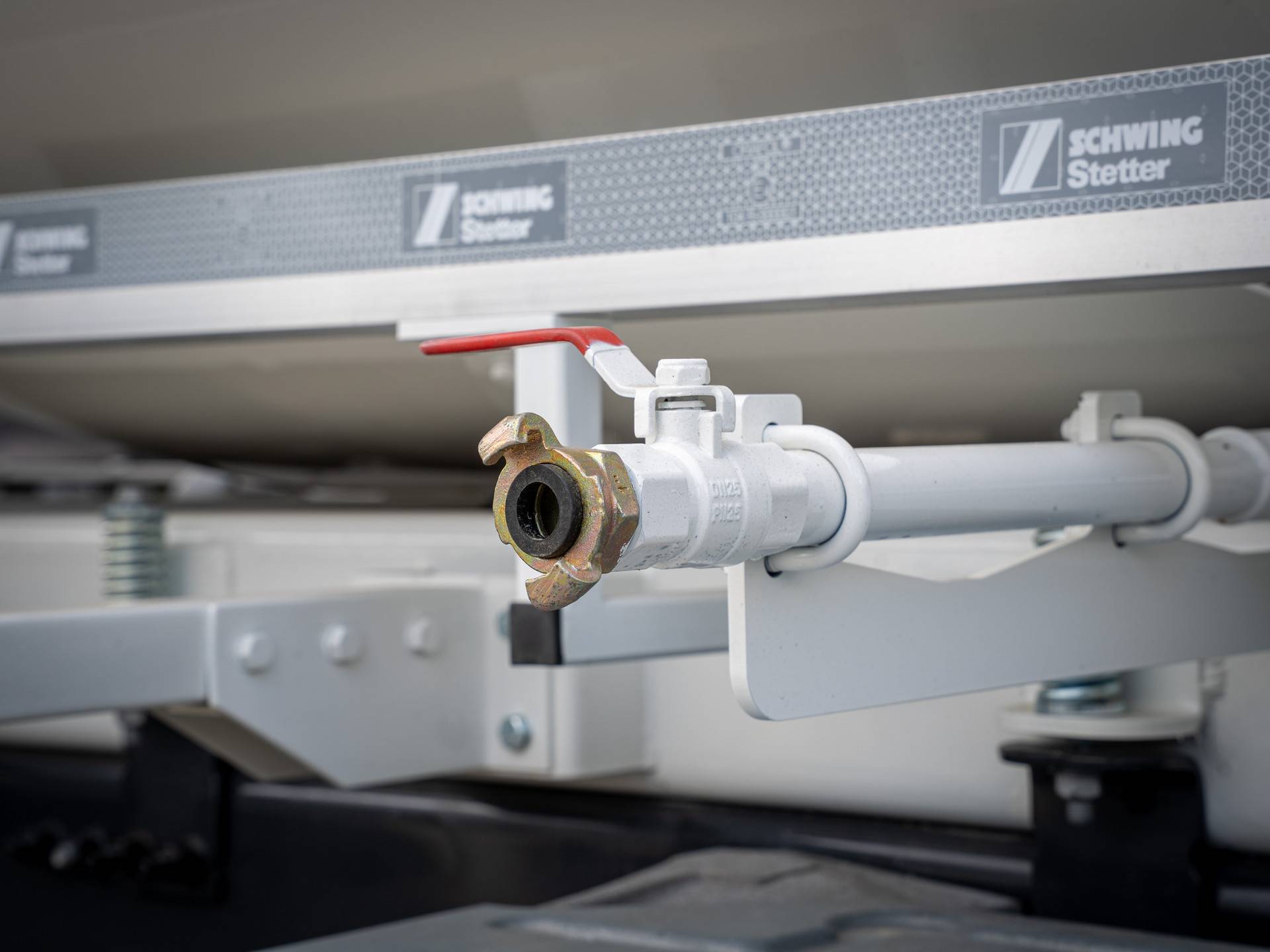
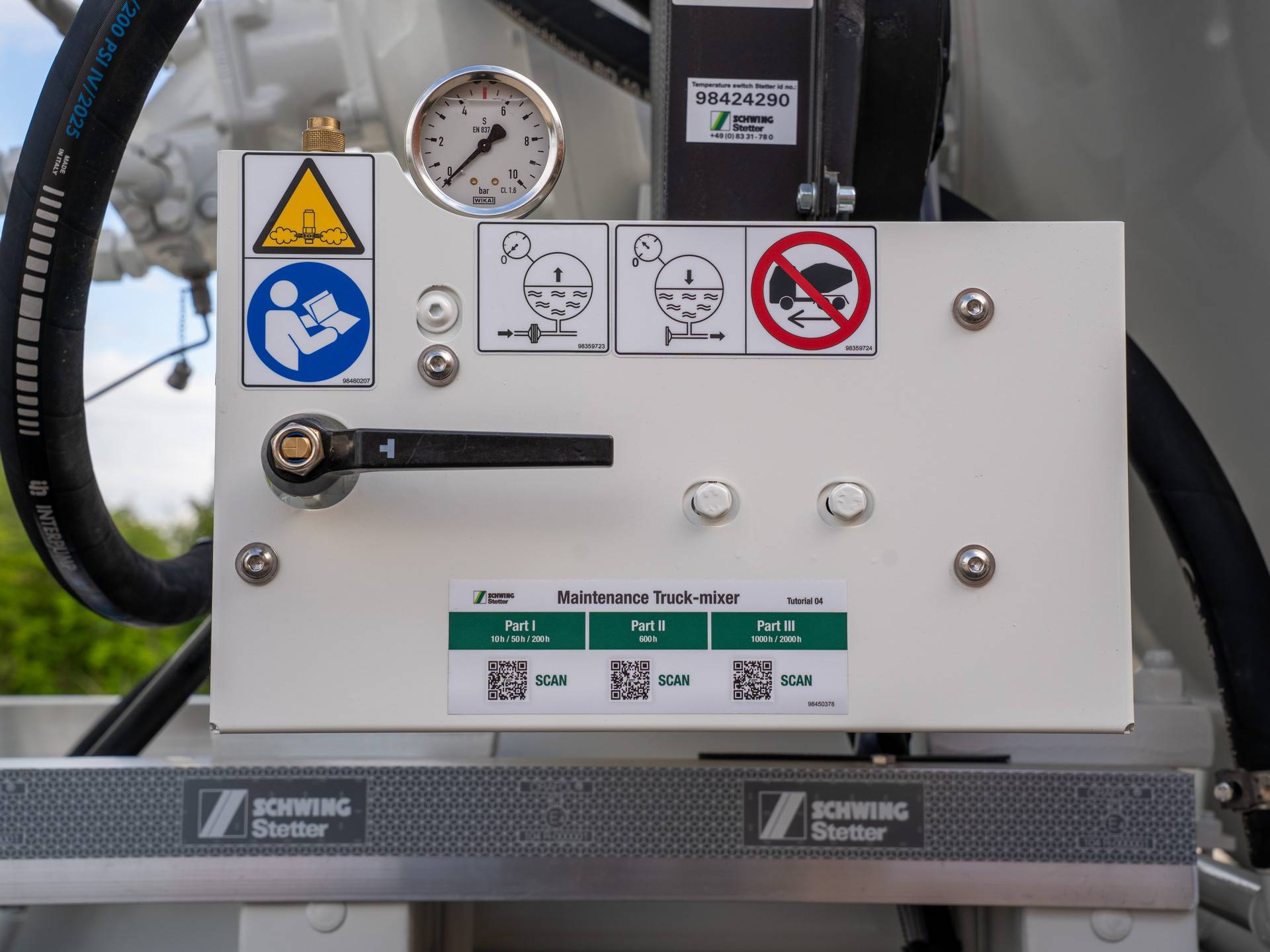
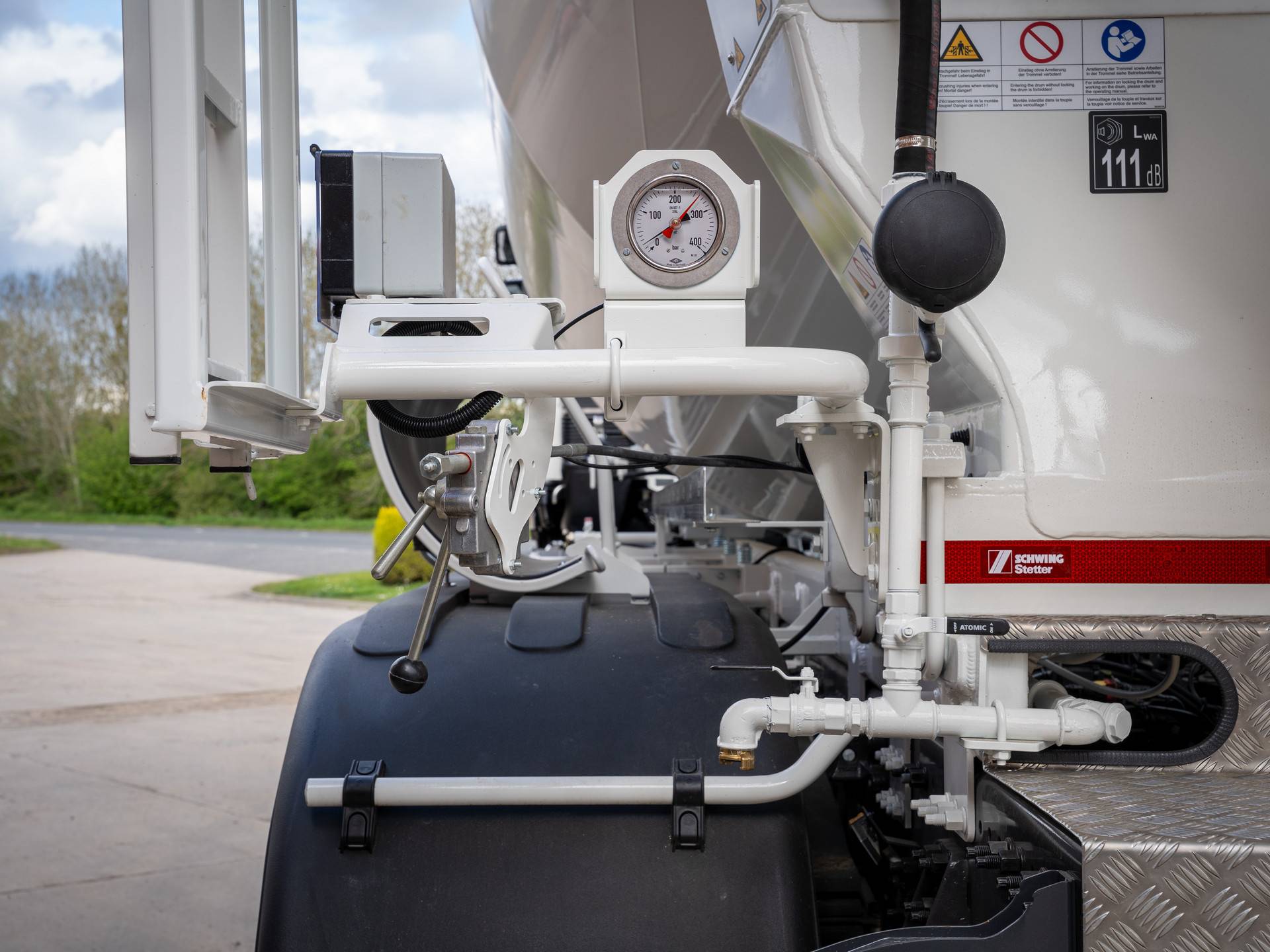
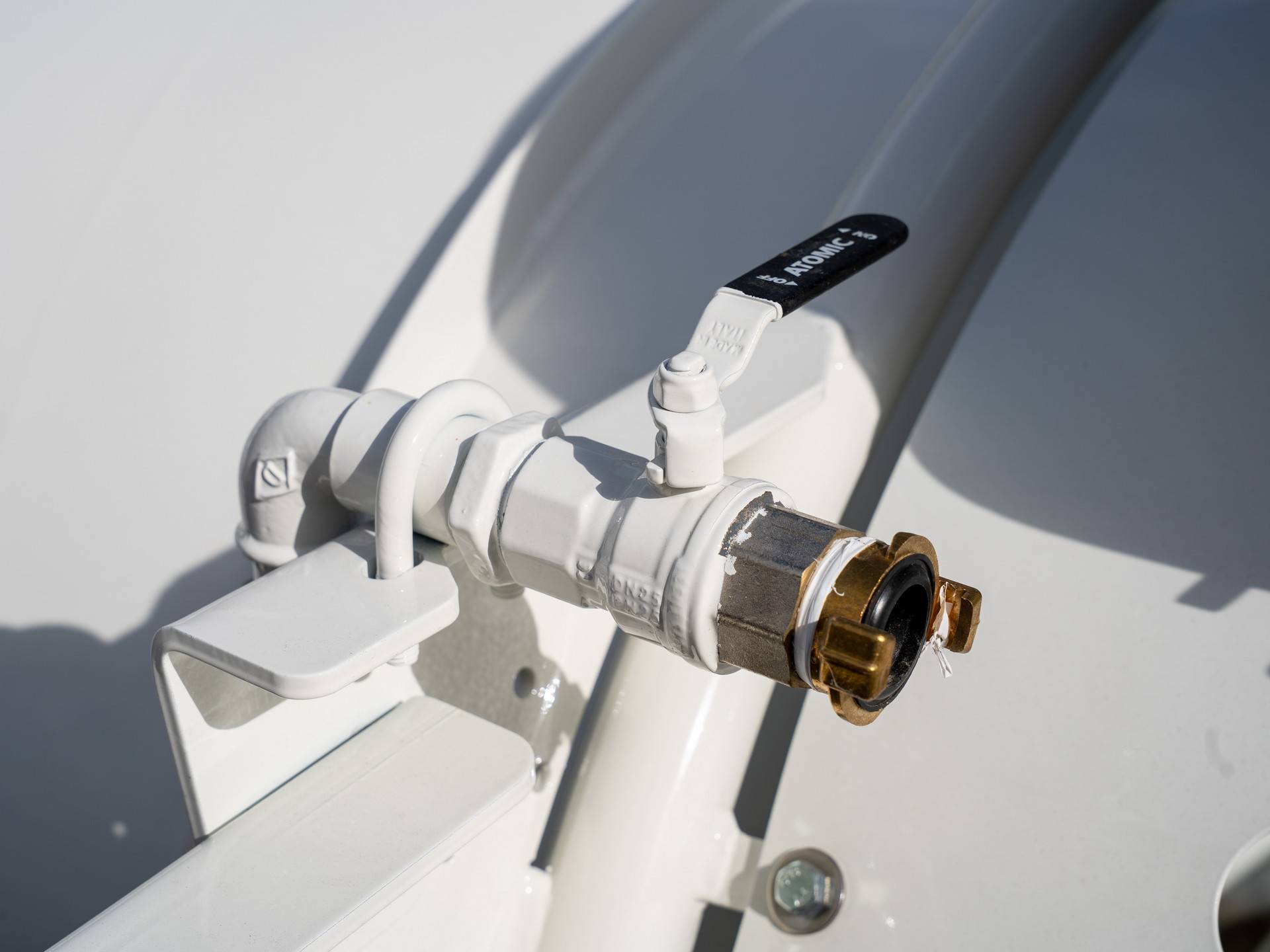
A 500-litre pressurised water tank supplies the wash-down and slump-adjustment water, driven by compressed air from the chassis braking system (Schwing-Stetter’s AIRSYSTEM). A 500 L flow meter with valves meters water into the drum, with the inlet duct integrated into the feed hopper.
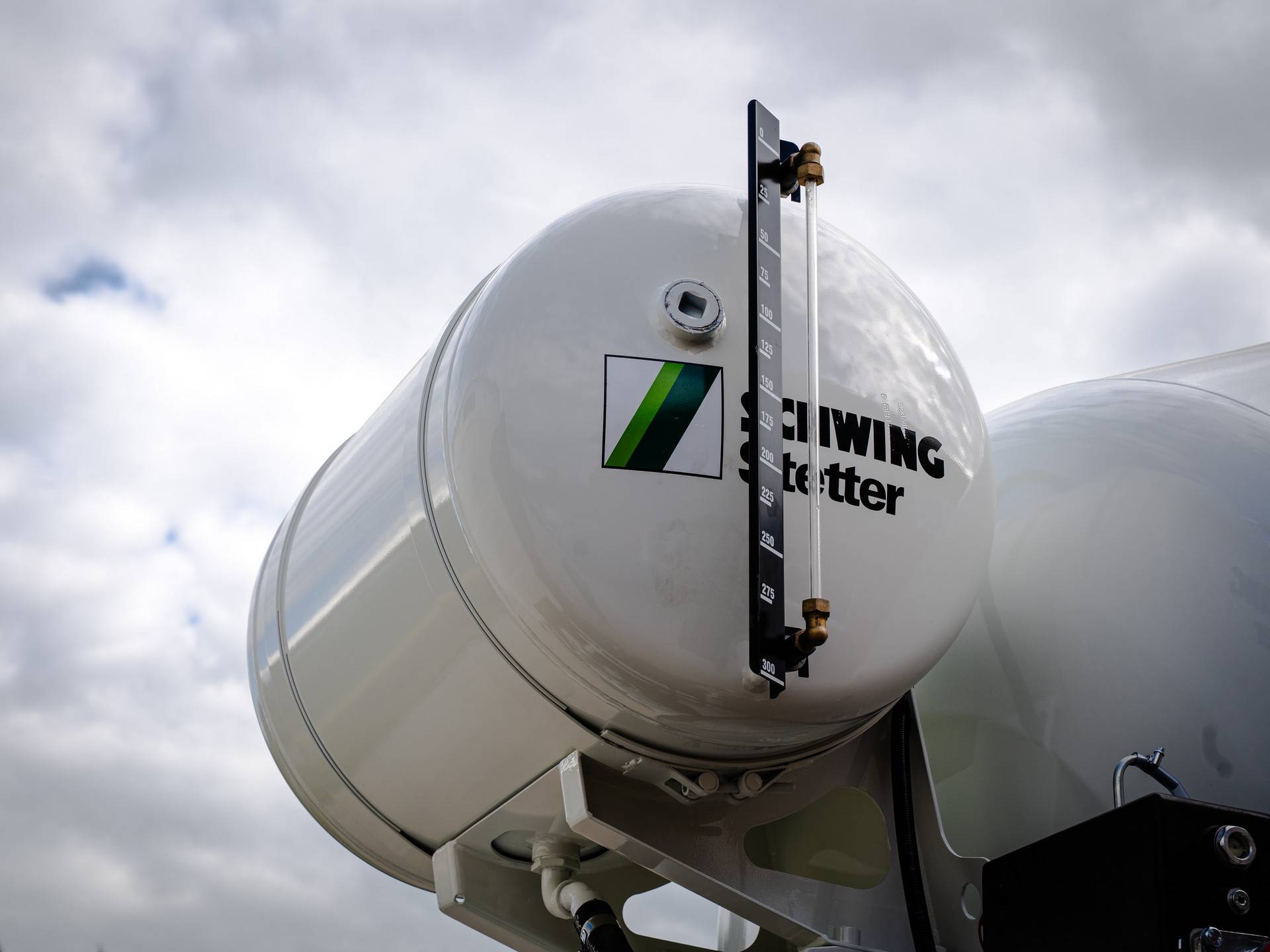
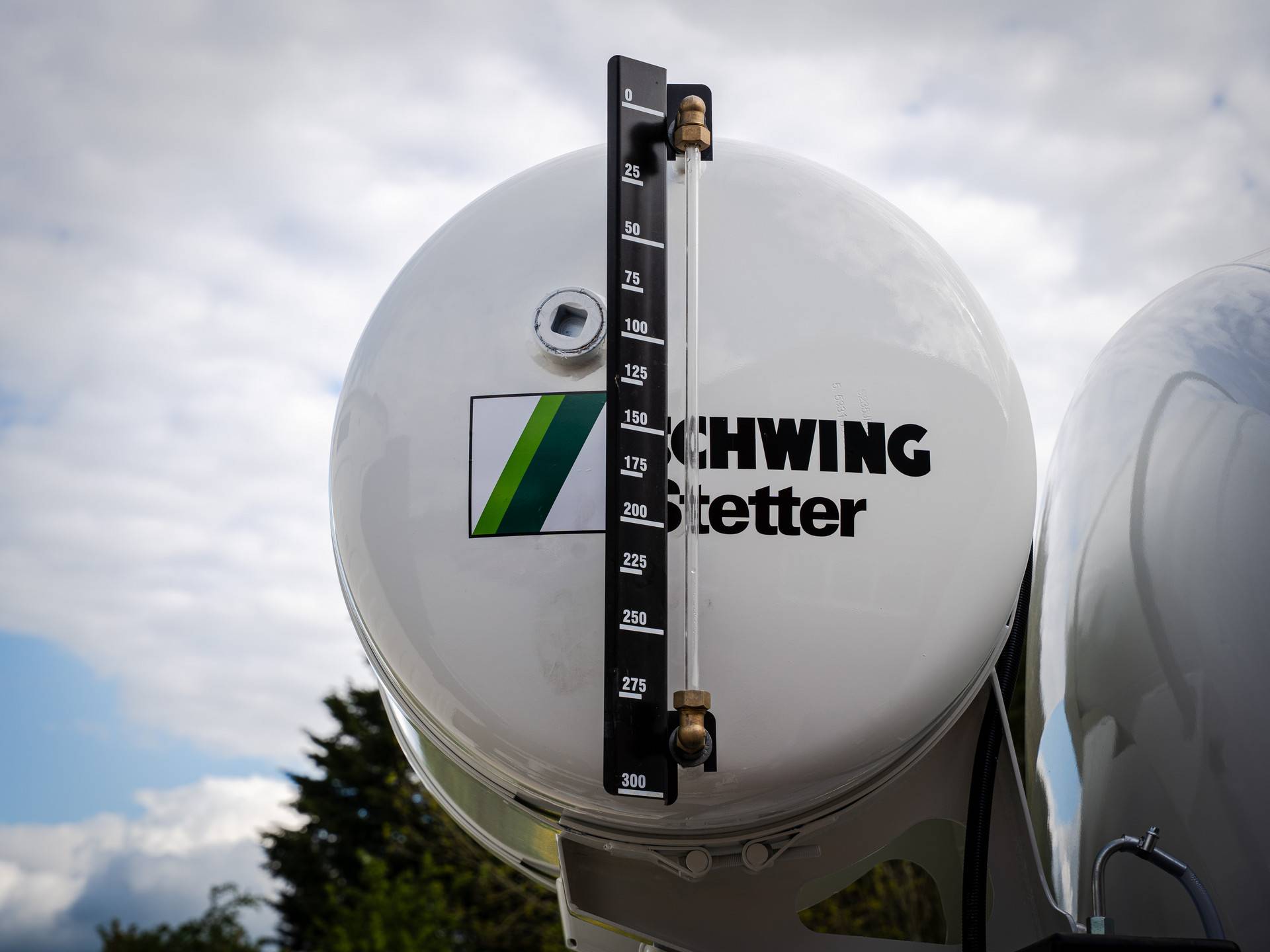
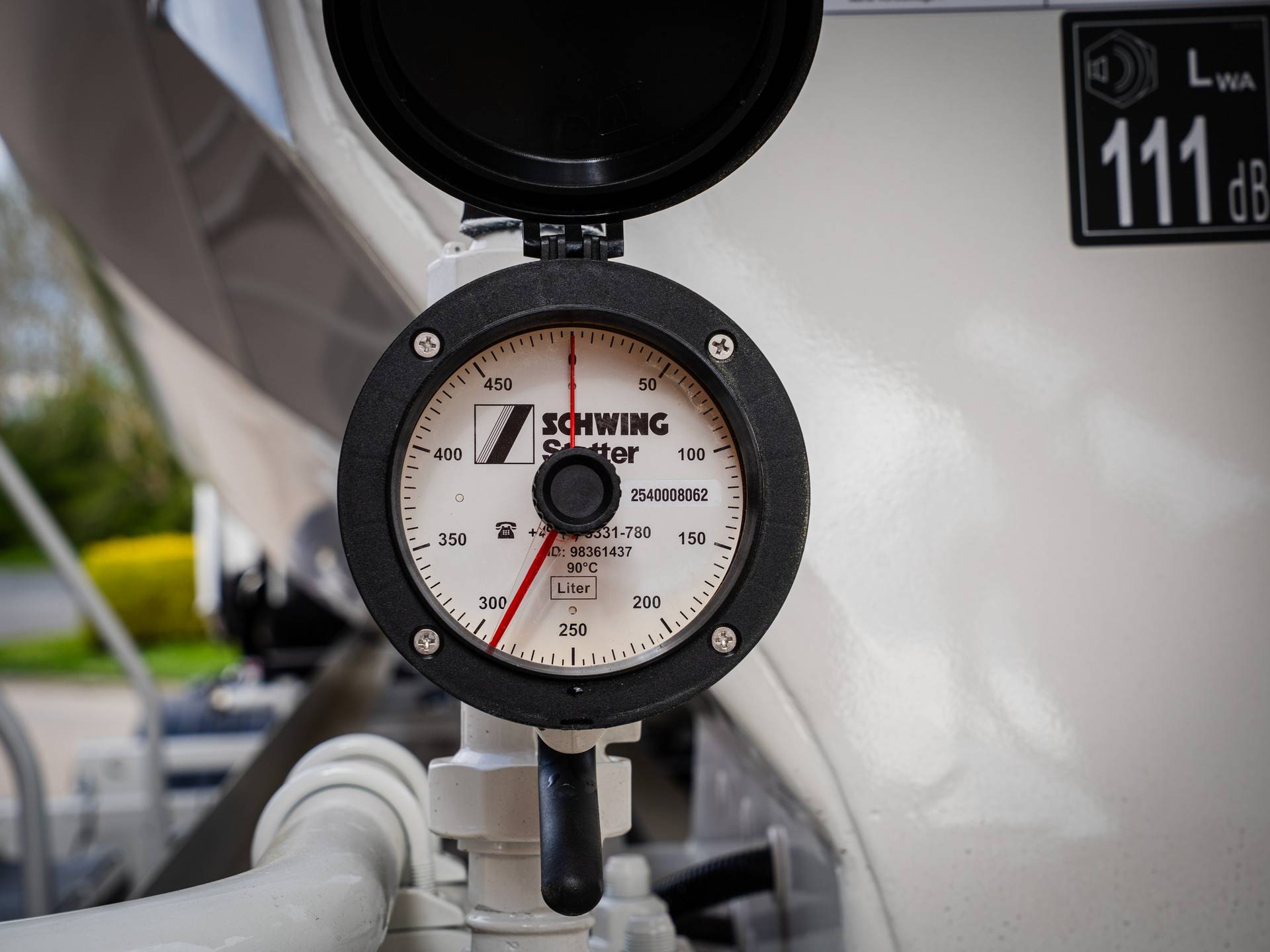
Fill connections are fitted both sides of the truck, and two wash-down hoses (3 m at the top of the ladder, 10 m at the bottom) cover drum, chutes and truck at the end of the run. An external level indicator shows tank contents at a glance.
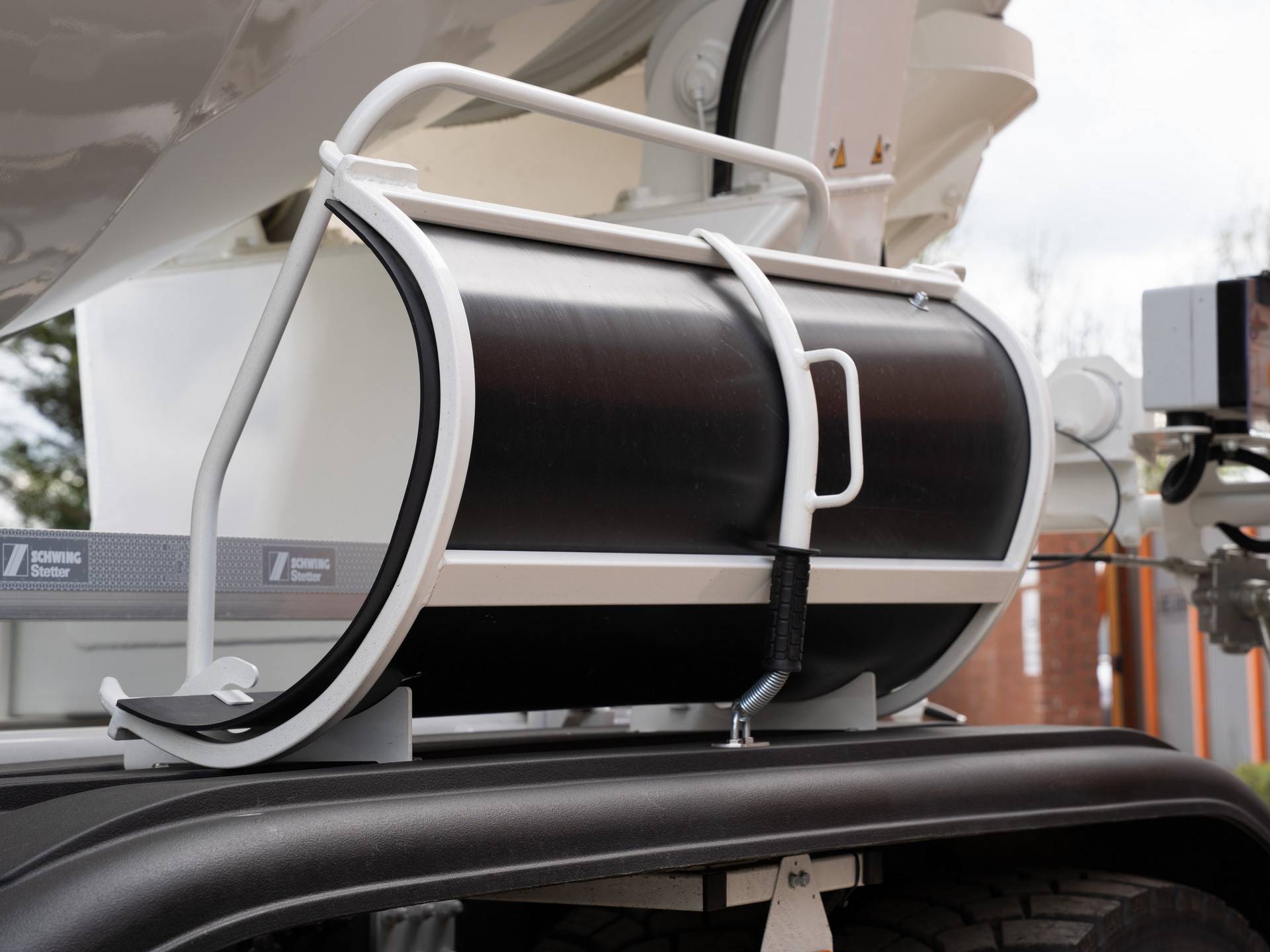
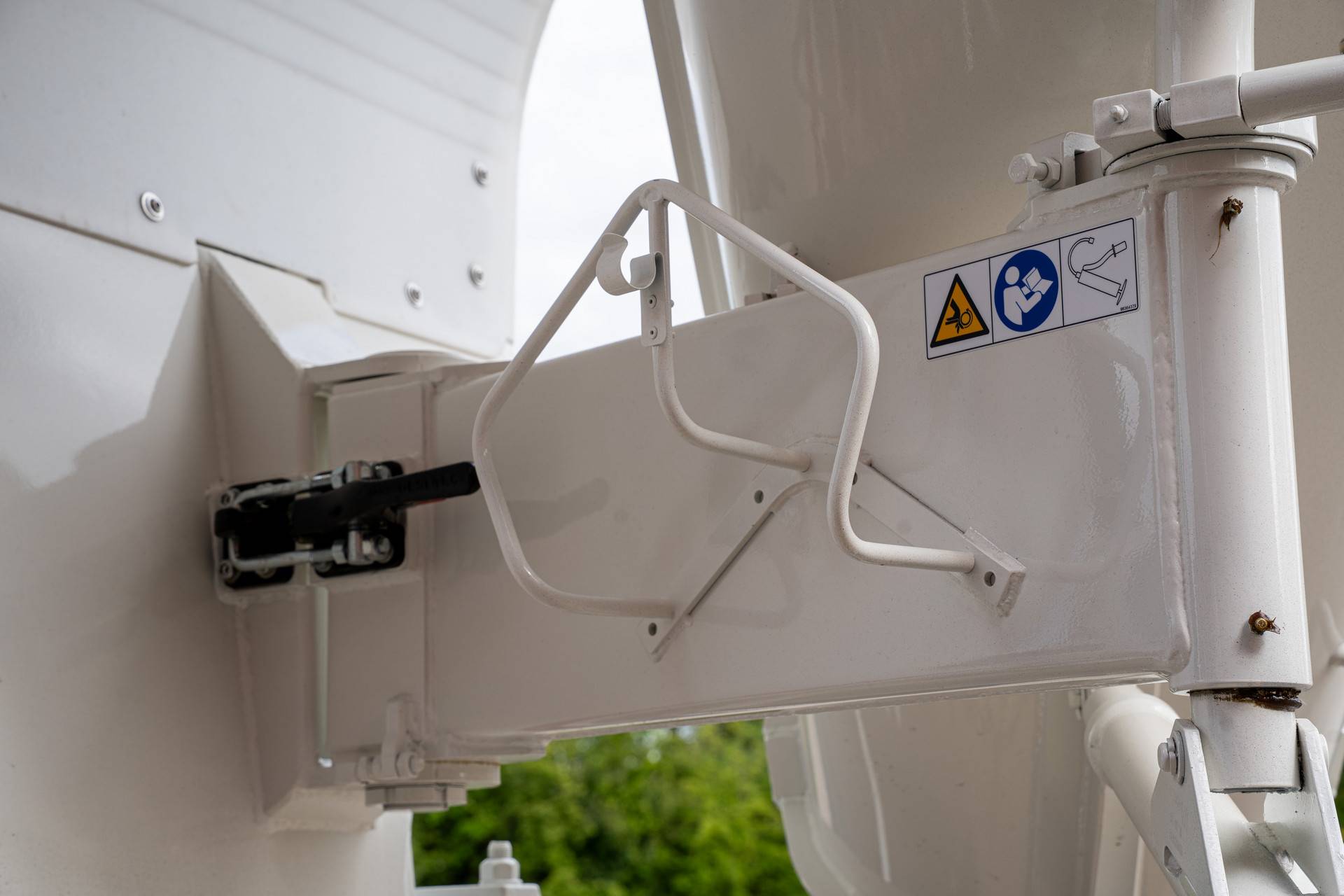
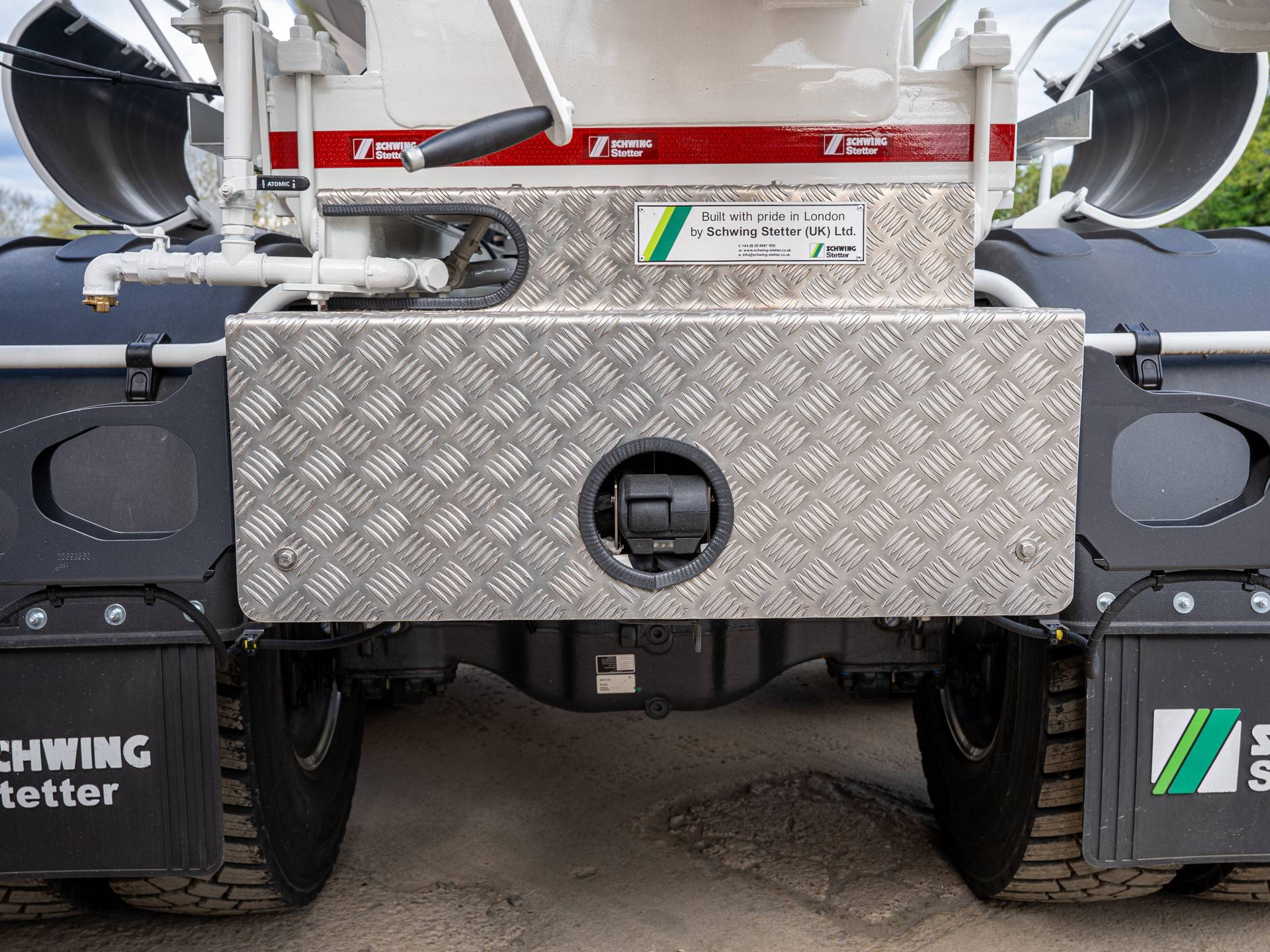
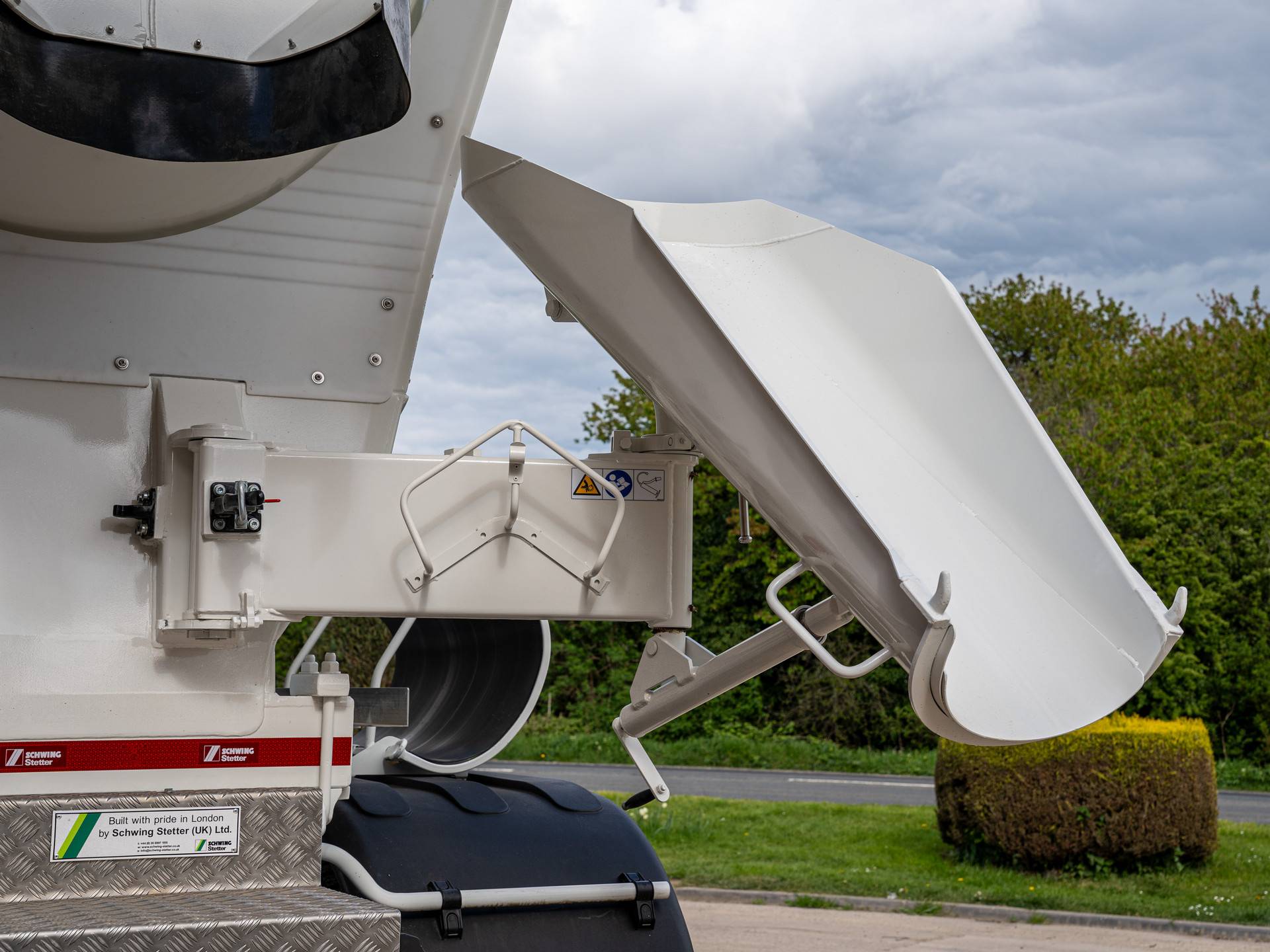
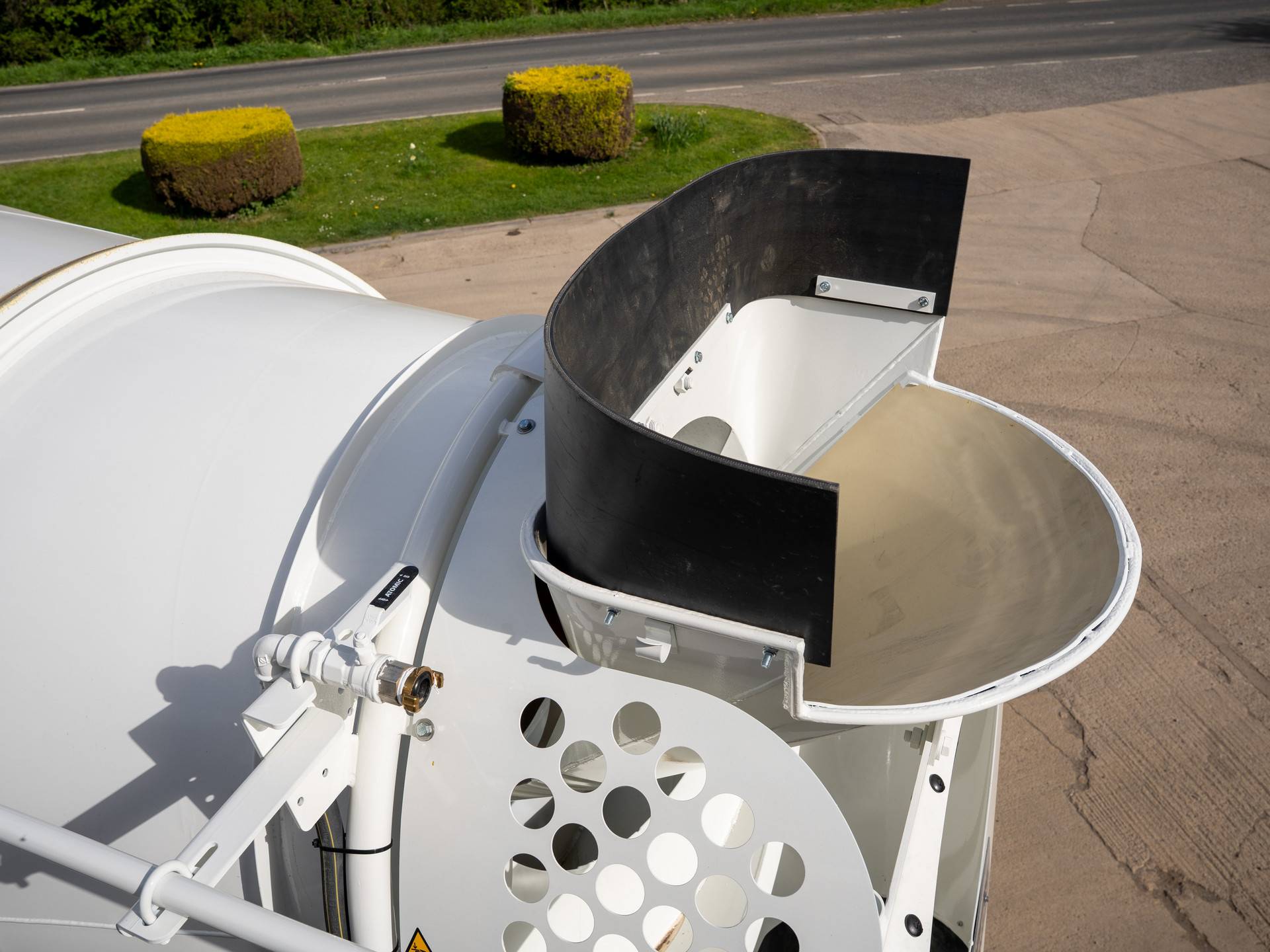
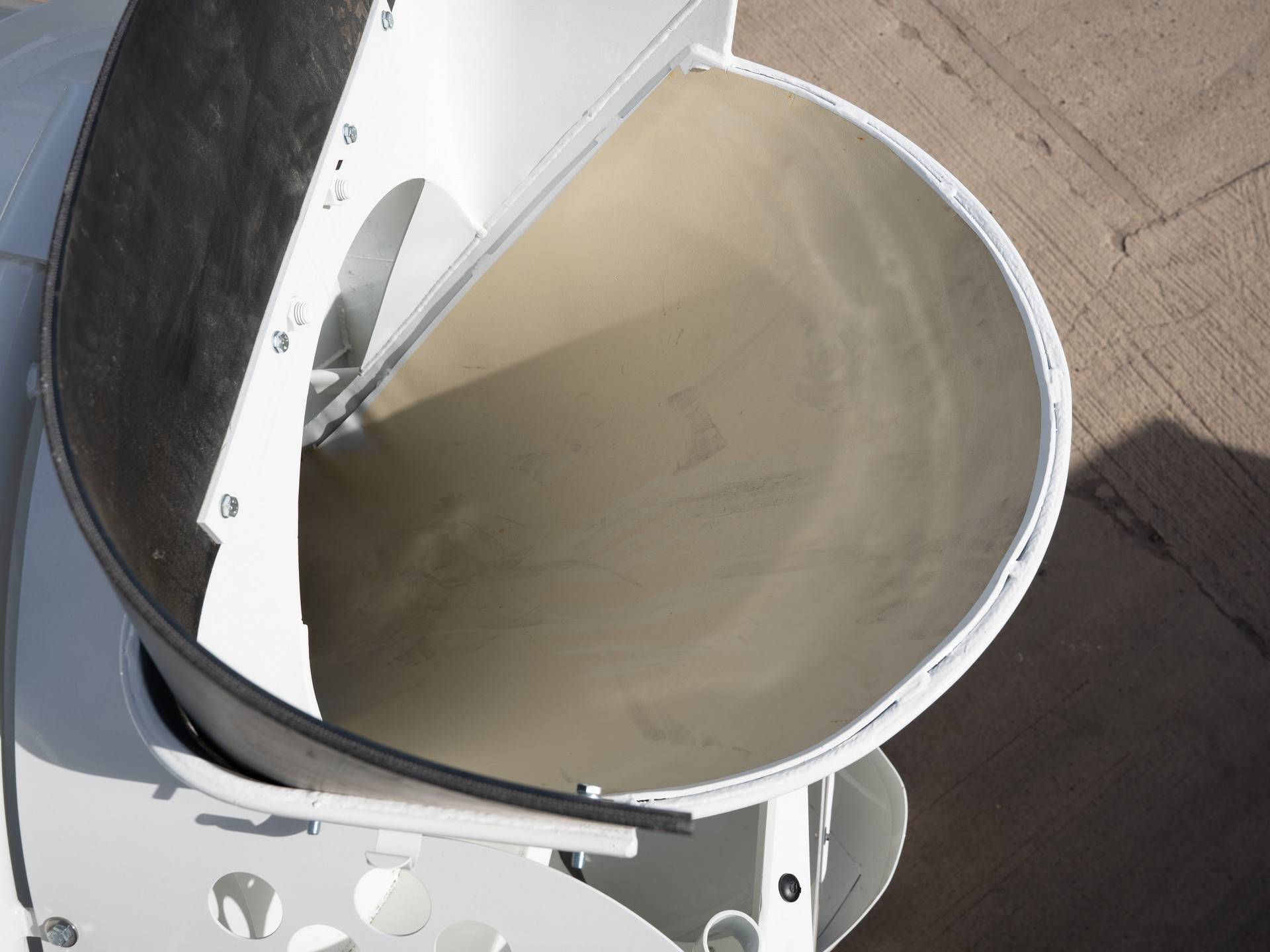
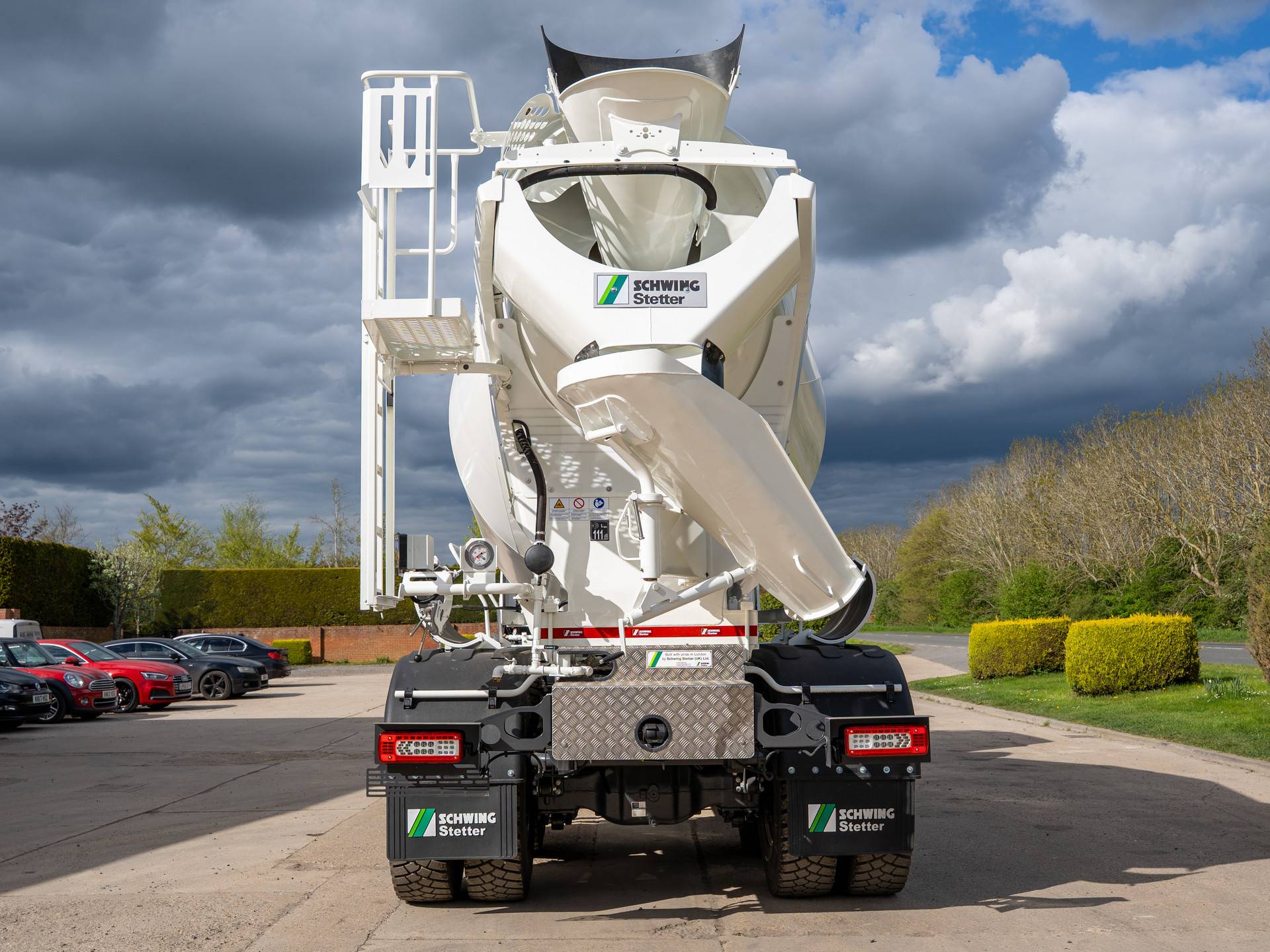
Discharge is via a swivel chute with a 4 mm wear liner and manual telescopic adjustment, plus two plastic extension chutes stowed on the mudwings with a locking stowage point. A rear-facing slump-meter pressure gauge gives indication of the mix without climbing the ladder.
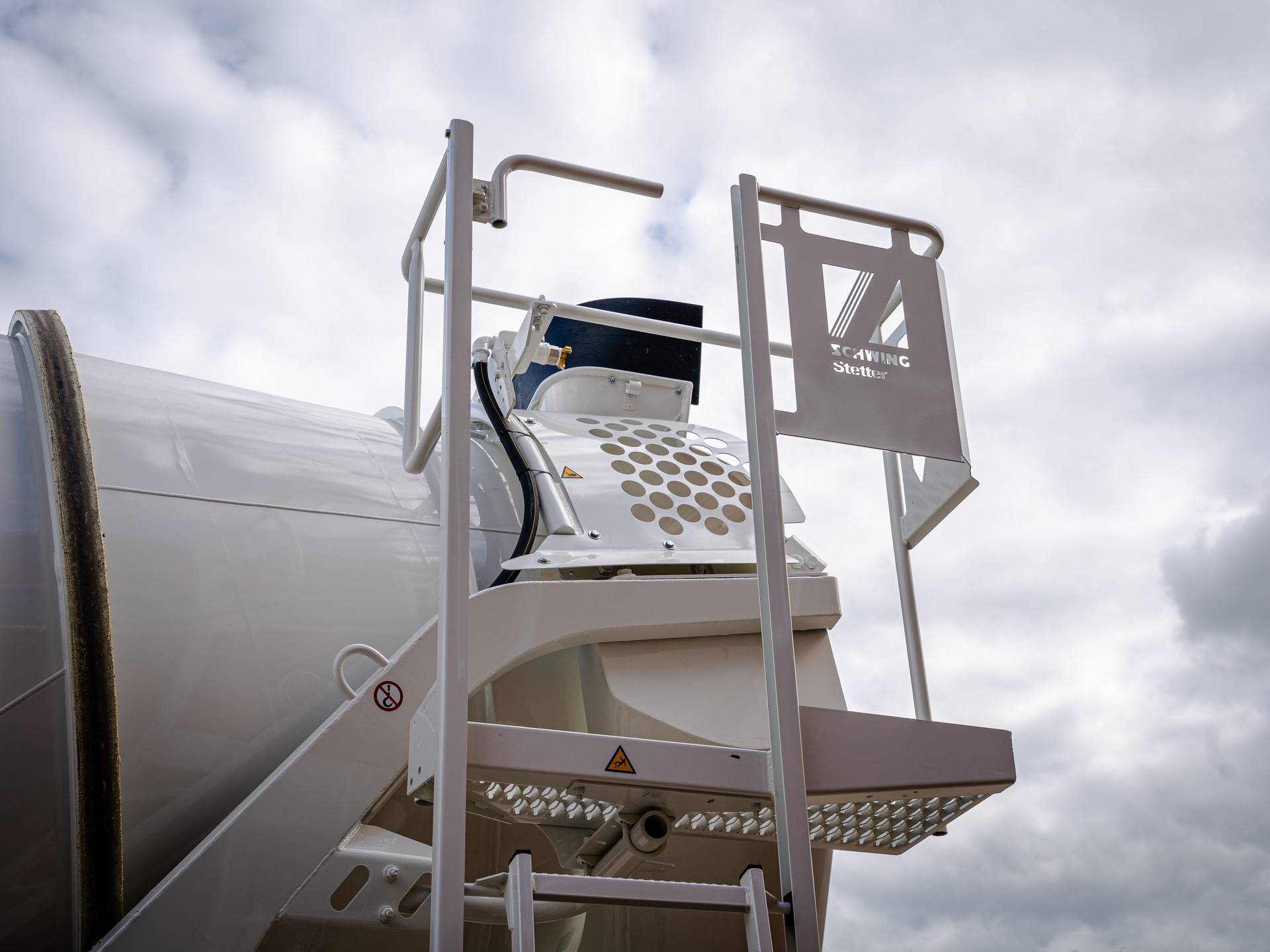
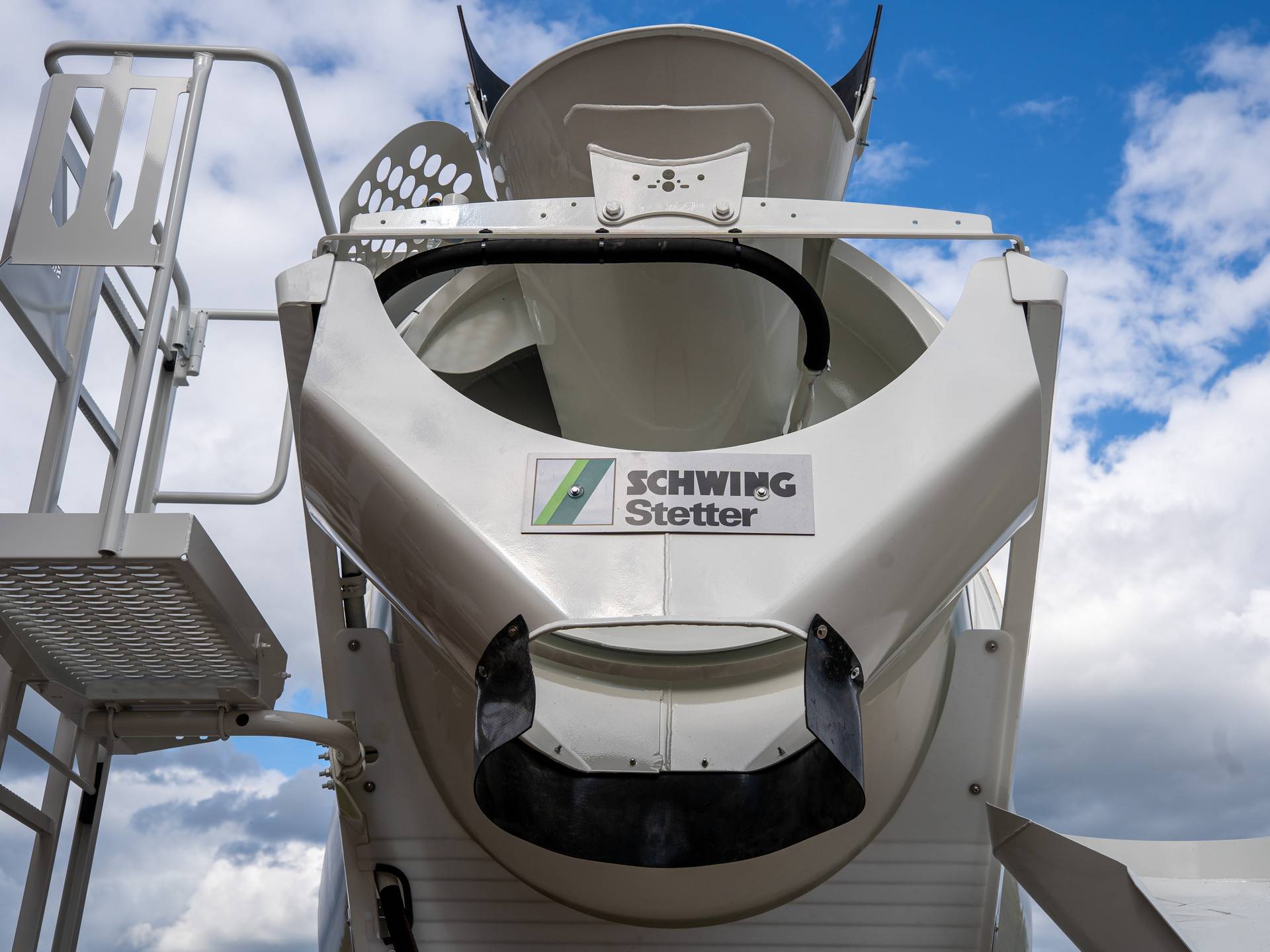
Cable drum controls are fitted both in the cab and at the rear control station. Access to the feed hopper is by sliding ladder onto a full platform with a fall-protection gate.