
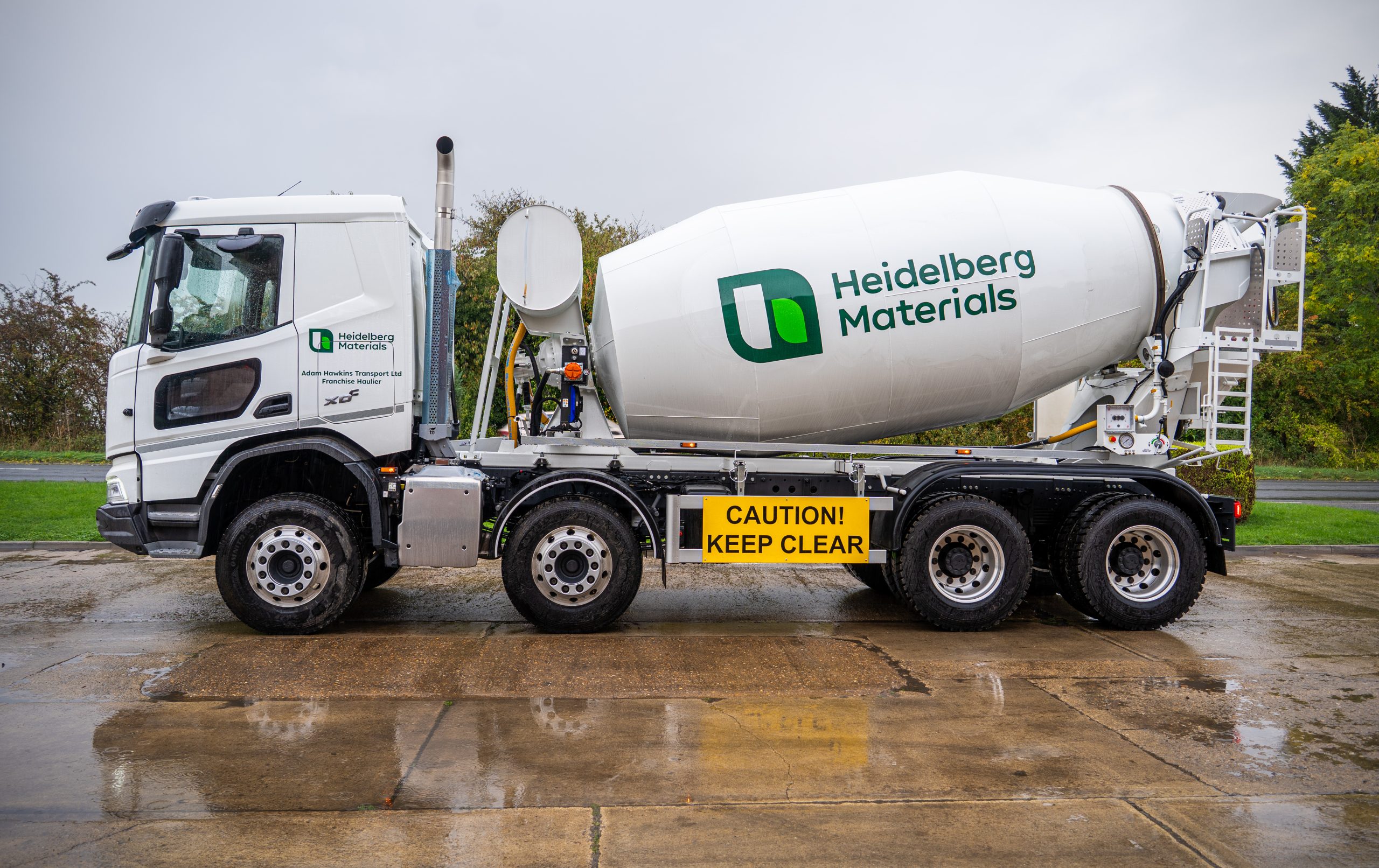
New truck day should be the first day it earns
A new truck or trailer should strengthen your fleet from the moment you collect it. In reality, many vehicle operators might need to wait days or weeks before new equipment can work on site.
The reason is rarely the chassis or body. It is the growing list of health and safety compliance equipment that is required on heavy goods vehicles, but often are not fitted as standard.
If you’re a fleet operator in the construction industry, aggregates, muck away or infrastructure projects, you will already be familiar with safety standards such as:
- DVS and Transport for London standards
- Project or client rules on HS2, Network Rail and other major infrastructure work
- Construction site policies from contractors such as Breedon, Heidelberg and Aggregate Industries
- Accreditation schemes including FORS and CLOCS
Each of these dictate additional equipment before your site ready truck is allowed to tip, load or deliver.
The hidden cost of “standard” delivery
Ordering a truck or trailer “as standard” and then organising the rest yourself sounds flexible. In practice, it often creates:
- Multiple third parties to coordinate: camera suppliers, weighing specialists, electrical installers and body repairers.
- Idle time off the road: the vehicle moves between workshops instead of working on site.
- Extra administration: quotes, bookings, invoices and warranty questions for each item.
- Risk of non-compliance: if one item is missed or fitted incorrectly, the vehicle can be turned away at the gate.
Common items that delay vehicles from being site ready include:
- FORS / DVS compliant camera systems
- On-board weighing systems
- Side scan and proximity warning systems for vulnerable road users
- Overhead voltage detectors
- Inclinometers for tipping stability
- Lower door windows for nearside blind spot visibility
- Beacons, strobes and work lights
- Caution boards and site specific signage
Individually, these are not large purchases. Together, they represent real downtime and lost revenue for the fleet.


What “site ready” should mean for your next truck
A site ready tipper or trailer is specified so that it can go straight from the handover into live work on your target contracts. That requires more than a generic safety package. It means:
- Understanding the work:
- Which clients or main contractors will it operate for?
- Which projects or depots will it visit most often?
- Mapping the requirements:
- DVS and FORS level required
- Any project specific kit (for example HS2 or Network Rail rules)
- Site policies on cameras, signage, PPE storage and lighting
- Building the specification into the order:
- Agreeing camera, weighing and warning systems when you place the order
- Ensuring wiring, brackets and mounting points are planned, not added later
- Confirming how compliance will be documented at handover
If this is done up front, the handover date becomes the first earning day, not the start of a separate fit-out project.
Our approach: site ready upon collection
At Kel-Berg, we set trucks and trailers up so they are site ready upon collection from our Bicester site. The objective is simple: when you pick up the keys, the vehicle is ready to go to work.
We can:
- Fit camera and side scan systems to DVS, FORS and CLOCS requirements
- Install on-board weighing systems suited to your work
- Add overhead voltage detection and inclinometers where required
- Supply and fit beacons, strobes, work lightss
- Install lower door windows and nearside visibility aids
- Fit caution boards, chapter plates and contractor specific signage
We set the truck or trailer up for the contracts you are actually working on. If you are sub-contracting to Heidelberg, Aggregate Industries, Breedon or working on projects such as HS2, we can advise on typical requirements and ensure the specification reflects them.
The commercial case for a single supplier
You may already have preferred brands for cameras or weighing equipment. In most cases, we can supply or integrate those too. The key decision is not the logo on the equipment. It is whether you want:
- One supplier responsible for the complete truck or trailer, or
- Several suppliers, each responsible for one piece of the puzzle.
Using a single supplier for the full build typically means:
- Less downtime: the vehicle stays in one workshop until it is ready to earn.
- Faster payback: the first invoice it helps you raise arrives earlier.
- Simpler warranty and support: one point of contact if anything needs attention.
A truck sitting in a workshop waiting for cameras or warning systems is a truck that is not earning.
Next steps
If you are planning new trucks or trailers, it is worth treating “site ready” as part of the specification, not an afterthought.
Outline the contracts the truck or trailer needs to work on, list the likely compliance requirements and build them into the order from the start.
If you would like to discuss a site ready specification for your next truck or trailer, speak to the Kel-Berg team. We can review your target work, recommend the right equipment and give you clear lead times from our Bicester site.